
Quick pre-check
A quick baseline of what you already know — no grade, no pressure. Not sure about a question? It’s okay to leave it blank.
💾 Sign in first so your results save to the dashboard.
Introduction
Whole Home vs. Partial Home Backup
SUBMODULE 1 Whole Home
vs. Partial
Home Backup
Introduction to Whole Home vs. Partial Home Backup
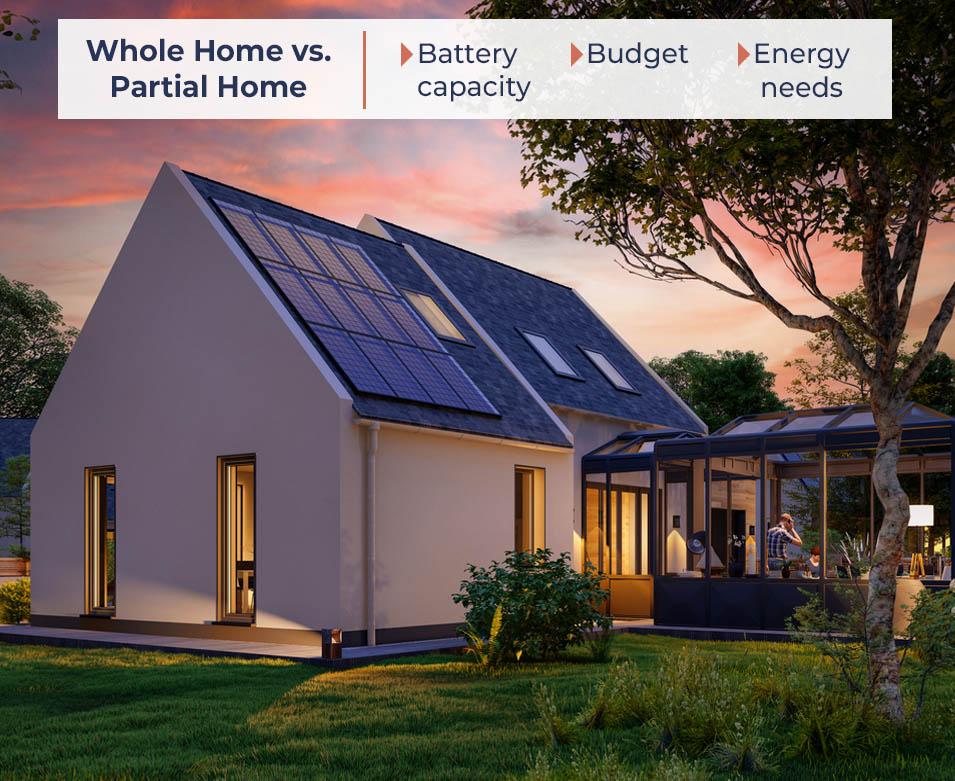
Battery Energy Storage Systems (BESS) can provide backup power for homes in different ways. Some homeowners choose a whole-home backup, where the battery can power the entire house during an outage. Others opt for a partial-home backup, which prioritizes essential appliances to conserve battery energy.
Choosing between these options depends on factors such as battery capacity, budget, and energy needs. This section explores how each option works, their advantages, and key considerations for Indigenous off-grid and on-grid homes.
Whole-Home Backup – Powering Everything
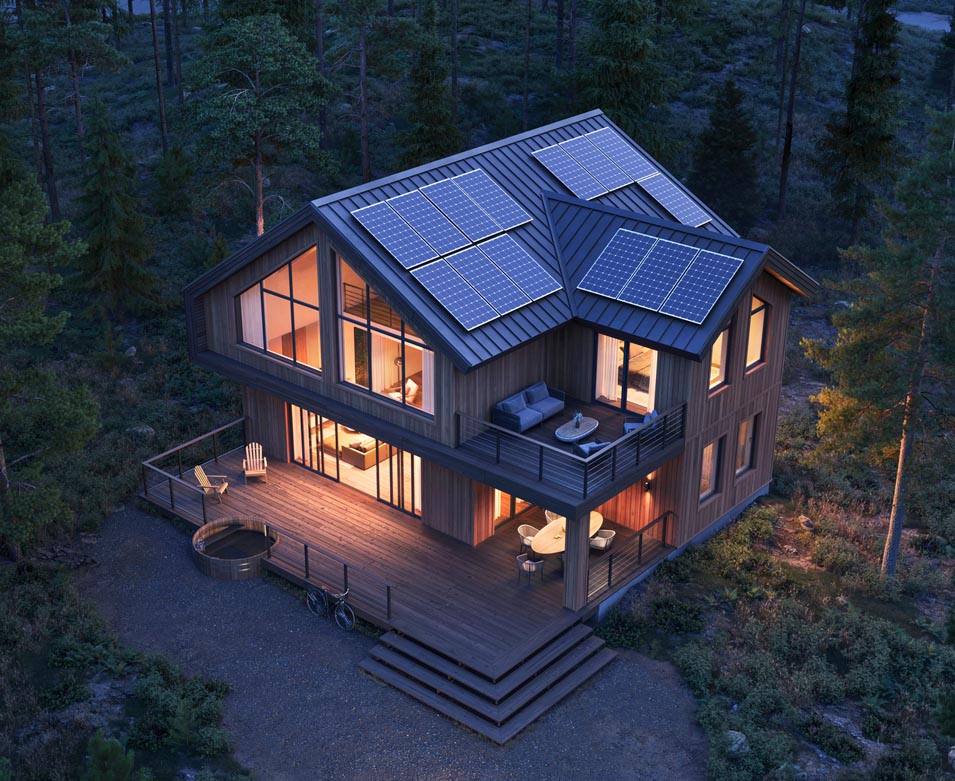
A whole-home backup system allows all appliances and devices in a house to operate during a power outage. This is ideal for households that need uninterrupted power for heating, refrigeration, internet, and cooking appliances.
Powers the entire home seamlessly. Feels no different from normal grid power. Provides full protection against blackouts.
Requires a larger battery system, increasing costs. May need multiple battery units or additional generation sources like solar or a generator.
Whole-home backup is best for families with high energy needs or those in areas with frequent, prolonged outages.
Partial-Home Backup – Prioritizing Essential
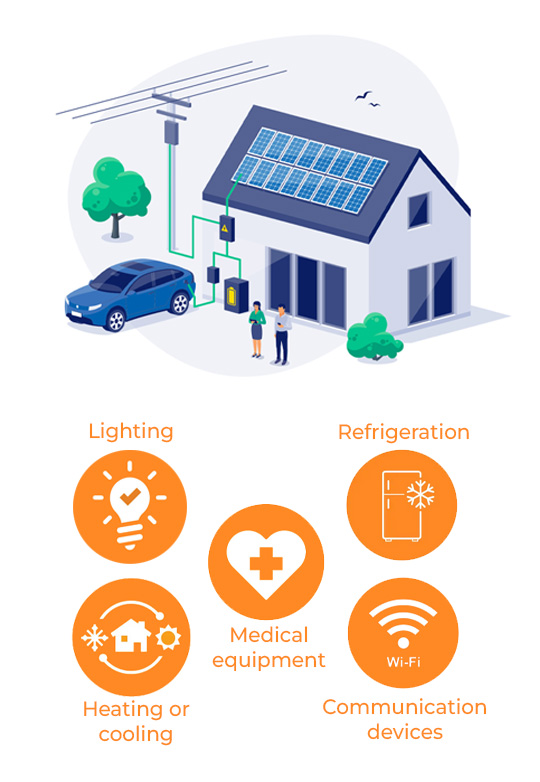
A partial-home backup system focuses on keeping critical appliances running while conserving battery power. Instead of powering the entire home, the battery supports:
Lighting in key areas (kitchen, living room, bedrooms). Refrigeration to prevent food spoilage. Heating or cooling (if energy-efficient models are used). Medical equipment if needed. Basic communication devices (Wi-Fi, phone charging).
This approach helps extend battery life and is more affordable since it requires a smaller battery system.
Whole-Home vs. Partial-Home Backup – How Do They Compare?
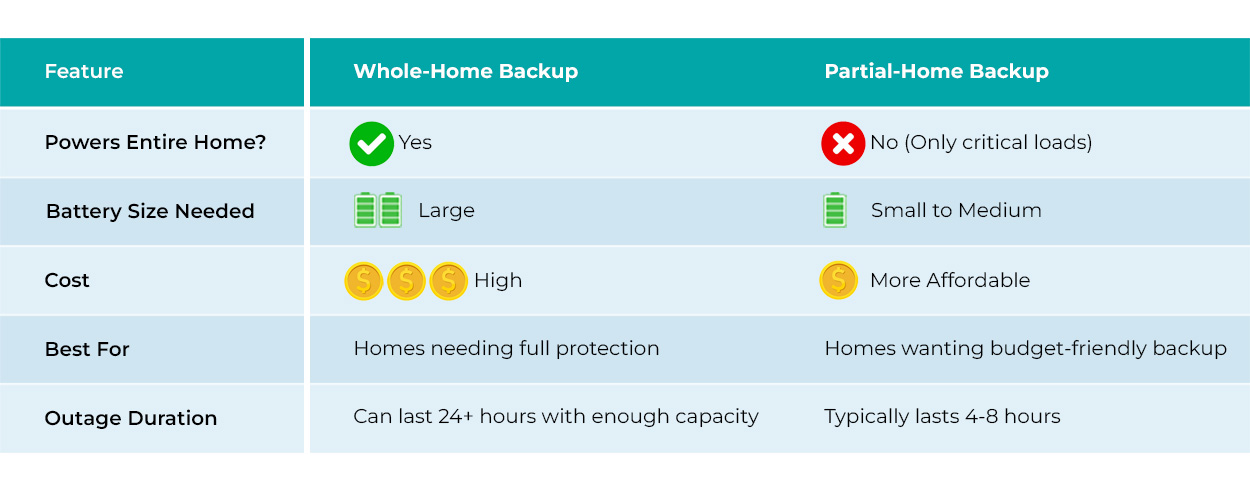
Choosing the right backup system depends on budget, energy priorities, and typical outage duration.
Sizing a Battery for Critical Loads
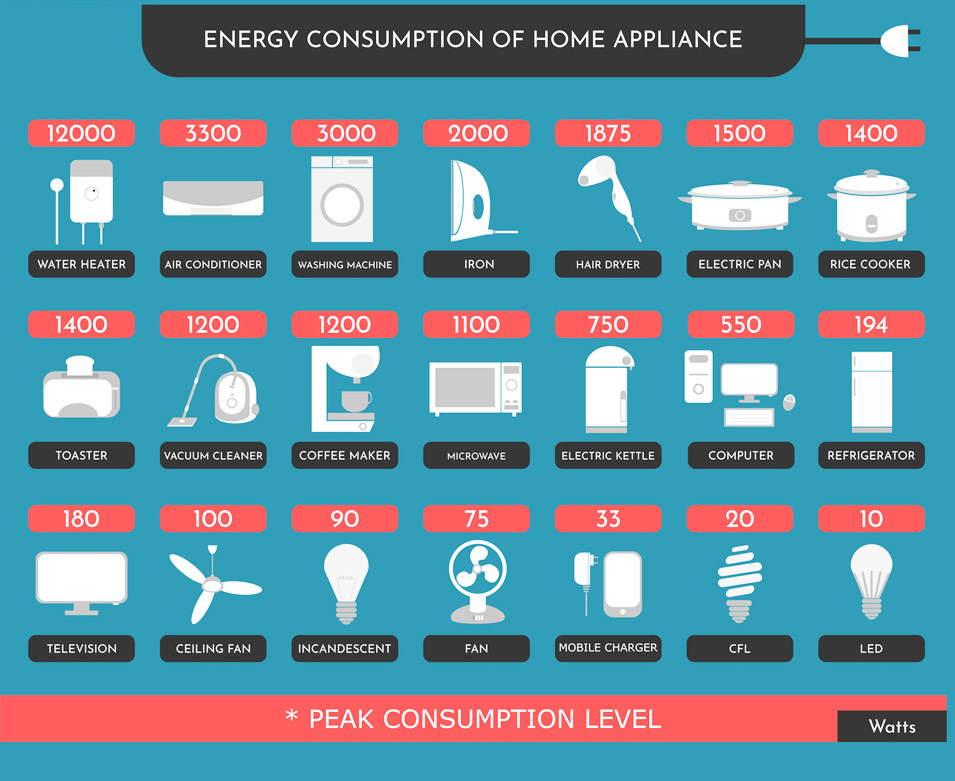
To design an effective partial-home backup, it’s important to calculate how much energy critical appliances use. Battery sizing depends on: Power Consumption: Each appliance has a wattage rating. Backup Duration: How long do you need backup power? Depth of Discharge (DoD): For lithium batteries, use 80% DoD; for lead-acid batteries, limit DoD to 50% to extend lifespan. Temperature Correction: If ambient temperature is above 25°C, no correction is needed. If temperature drops below 25°C, increase battery capacity by 10–40% to compensate for reduced performance. If ambient temperature is above 40°C, battery degradation also occurs. System Voltage: Batteries are rated in ampere-hours (Ah), so the system voltage must be considered (e.g., 24VDC or 48VDC).
Example Sizing Calculation:
Fridge (150W) x 10 hours = 1,500Wh (1.5 kWh) LED Lights (50W) x 5 hours = 250Wh (0.25 kWh) Internet & Phones (30W) x 5 hours = 150Wh (0.15 kWh)
Total = 1.9 kWh per day. If you need 24 hours of backup and imagine that the ambient temperature is about -20°C (40% oversizing), a 24V lithium battery (80% DoD) requires 3.33 kWh (140Ah), while a 24V lead-acid battery (50% DoD) requires 5.32 kWh (225Ah).
Integrating BESS with Solar PV Systems
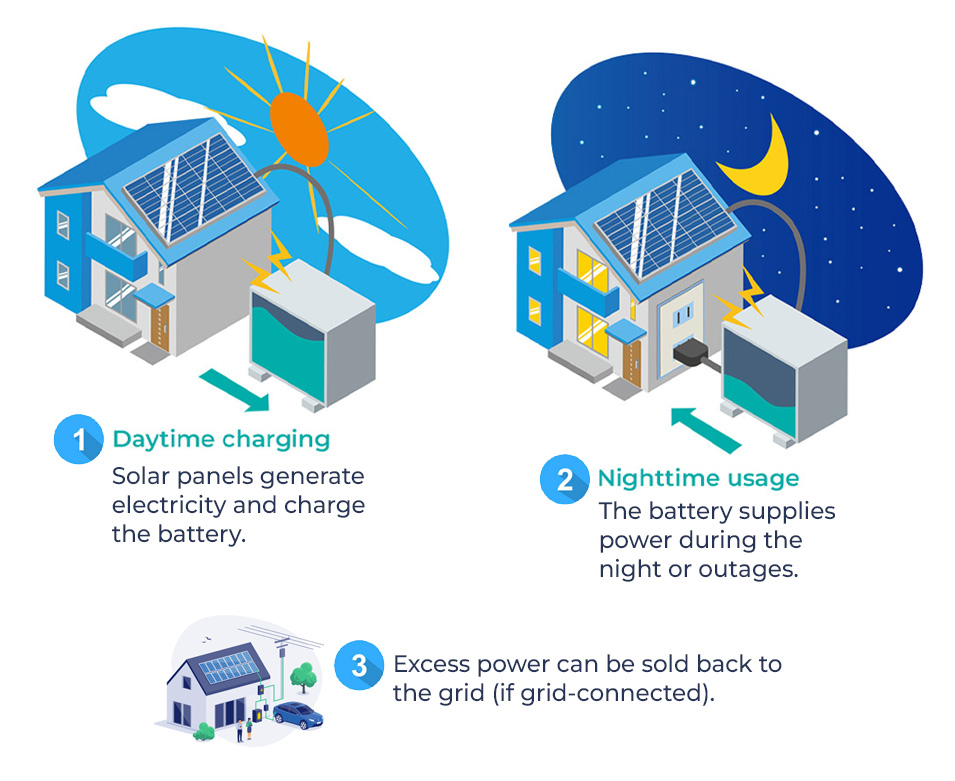
A Battery Energy Storage System (BESS) works best when paired with solar photovoltaic (PV) panels. Solar energy can charge the battery during the day, reducing reliance on the grid or a generator.
How it Works:
Solar panels generate electricity and charge the battery. The battery supplies power during the night or outages. Excess power can be sold back to the grid (if grid-connected).
Benefits of Solar + BESS:
Provides energy independence from the grid. Reduces electricity costs through self-consumption. Offers longer backup power during outages.
Fuel Backup Generators – Can They Work with BESS?
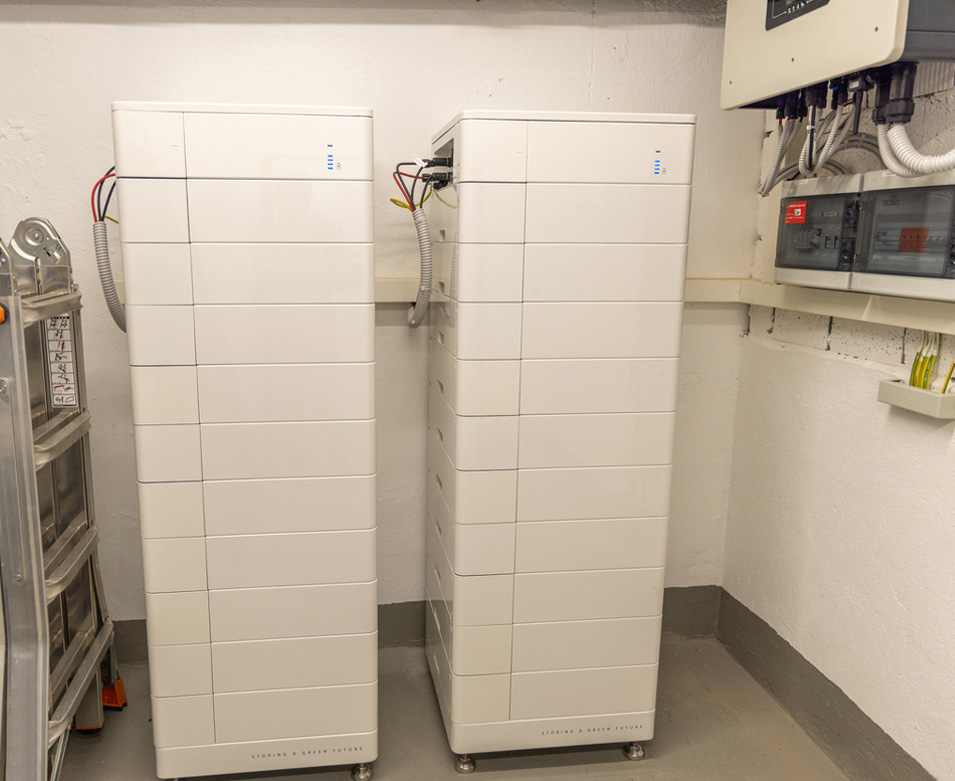
In some cases, homes use both a BESS and a backup generator to ensure long-duration energy security. The generator can charge the battery if solar panels are unavailable.
How They Work Together:
The generator only runs when the battery is depleted. The battery smooths out energy supply, preventing frequent generator use. This setup reduces fuel consumption while ensuring reliable power.
Best For:
Homes in remote areas with limited solar availability. Long-duration outages where a battery alone may not last.
Special Considerations for Off-Grid Homes
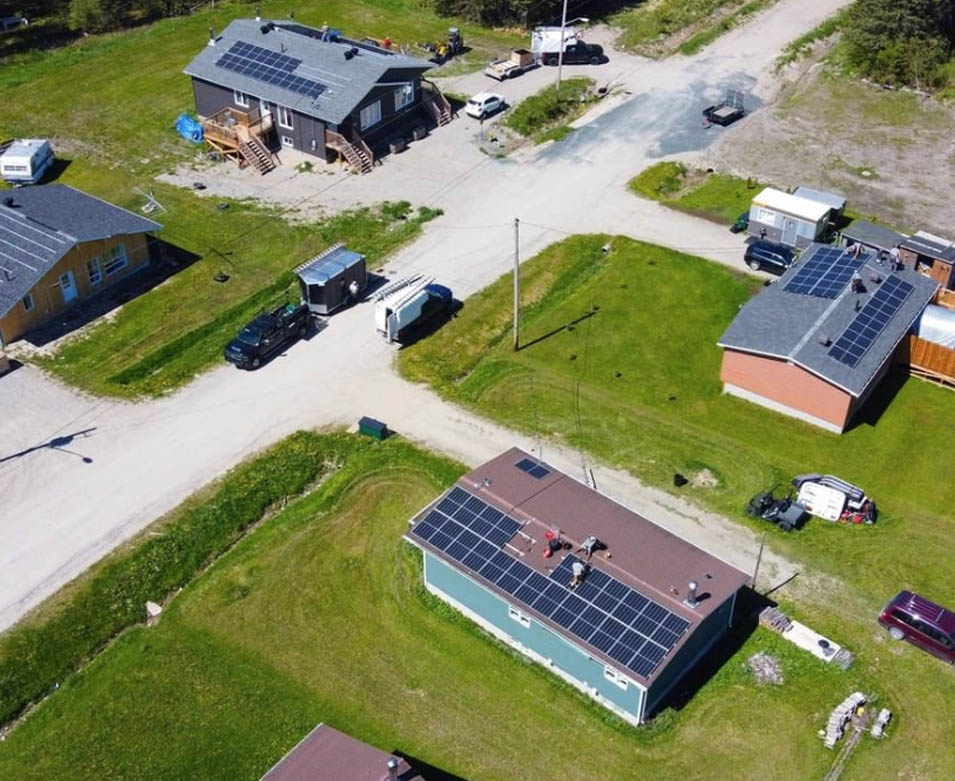
Many First Nations communities rely on diesel generators or have limited grid access. A well-designed BESS can improve energy security by reducing reliance on diesel while making power cleaner and more affordable.
Challenges:
High cost of diesel fuel in remote areas. Limited access to reliable electricity infrastructure. Harsh weather conditions affecting system performance.
Solutions with BESS:
Solar + BESS reduces fuel costs by providing free energy during the day. Microgrids help communities share energy instead of relying on individual generators. Cold-weather battery designs ensure reliability in sub-zero temperatures. Lithium-Ion batteries today do not function well in the winter and should be placed in a temperature regulated location such as a heated cabinet, insulated garage or indoors.
Special Considerations for Indigenous On-Grid Homes
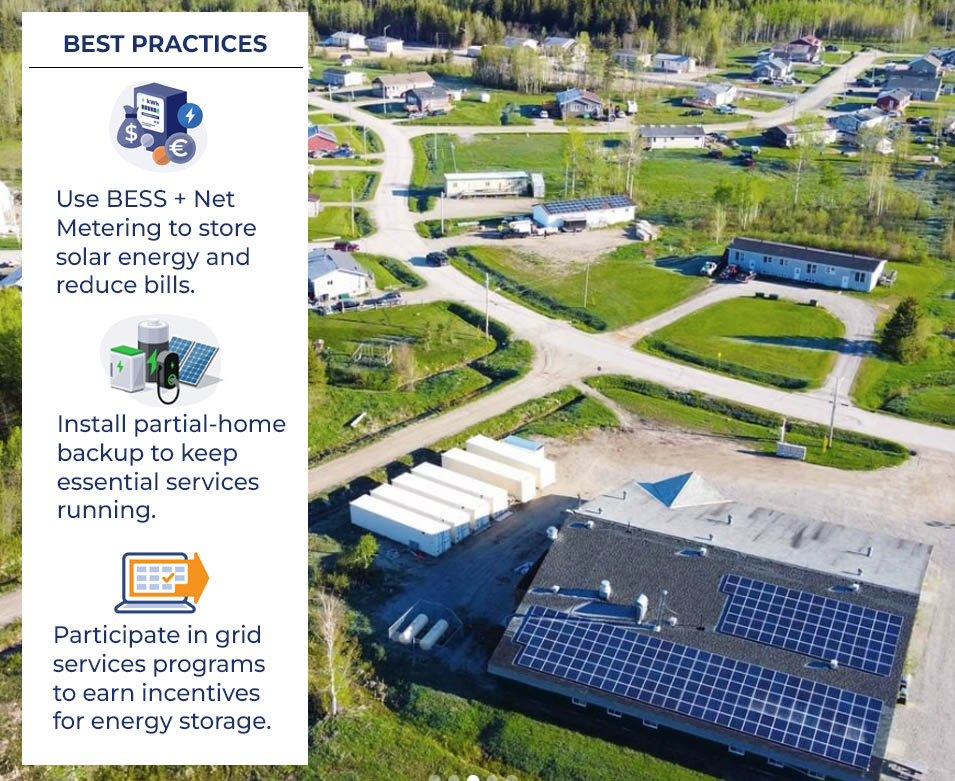
Even grid-connected Indigenous communities can benefit from BESS, especially in areas prone to power outages or high electricity costs.
Key Considerations:
Some communities experience frequent outages due to grid instability. Electricity costs can be high, especially during peak hours. Many Indigenous communities are exploring energy independence by generating their own power.
BESS and Fuel Backup Generators review
How do a Battery Energy Storage System (BESS) and a backup generator complement each other?
Community-Scale Energy Storage
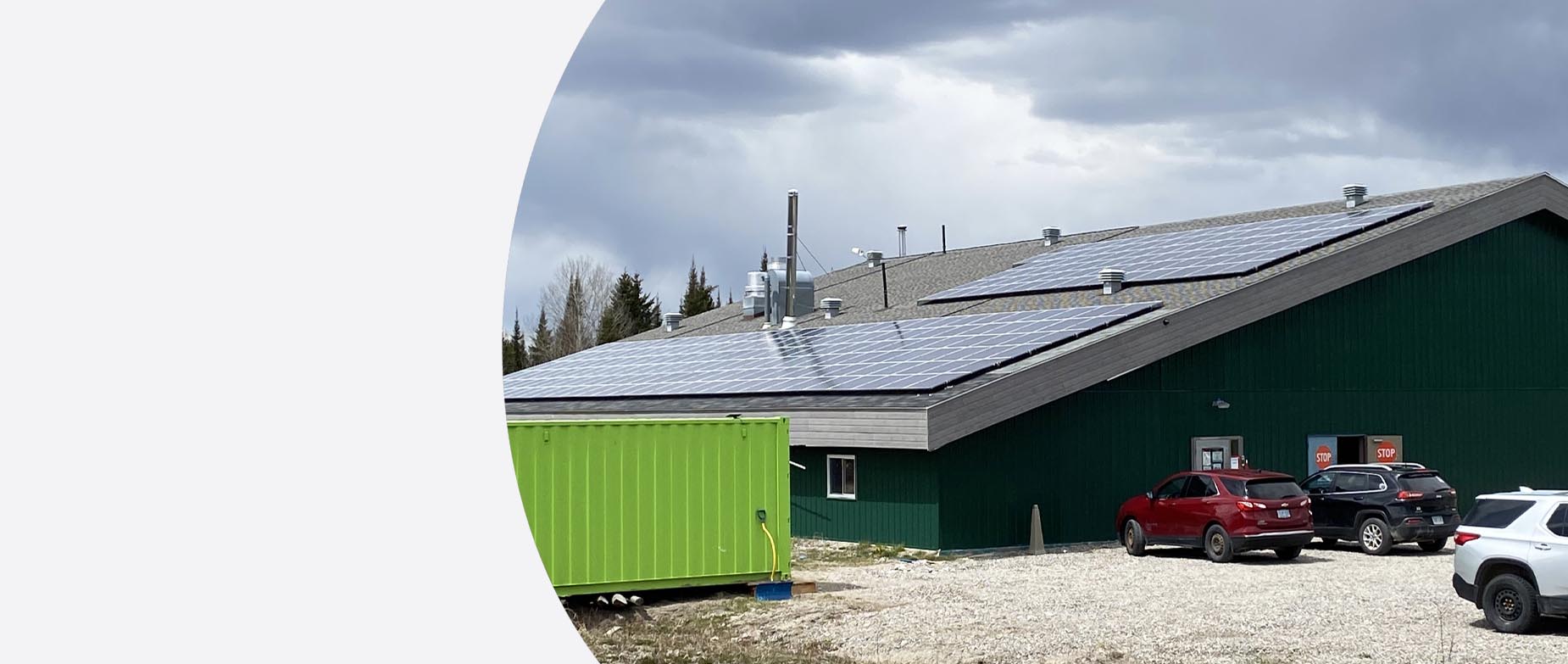
SUBMODULE 2 Community-
Scale Energy
Storage
Introduction to Community-Scale Energy Storage
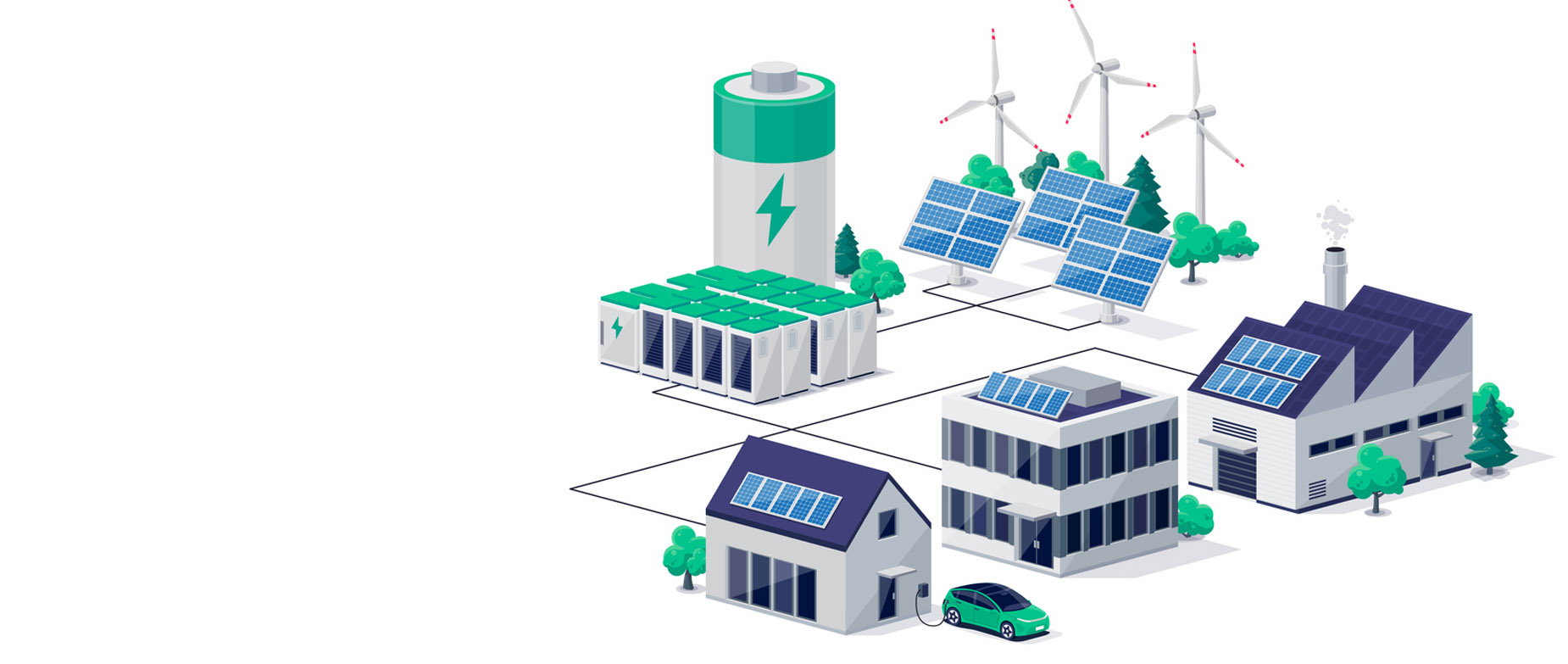
Community-scale Battery Energy Storage Systems (BESS) provide power for multiple homes, businesses, or essential services, enhancing energy resilience and promoting energy sovereignty. These systems store energy from renewable sources, such as solar and wind, allowing communities to rely less on external energy providers and more on locally generated electricity.
For many Communities, especially those in remote areas, community-scale storage helps reduce reliance on diesel generators, lower costs, and improve energy security. In this module, we’ll explore how to design resilient energy systems, case studies of Indigenous-led microgrids, and revenue opportunities through grid services and demand response.
Energy Sovereignty – Controlling Community Energy
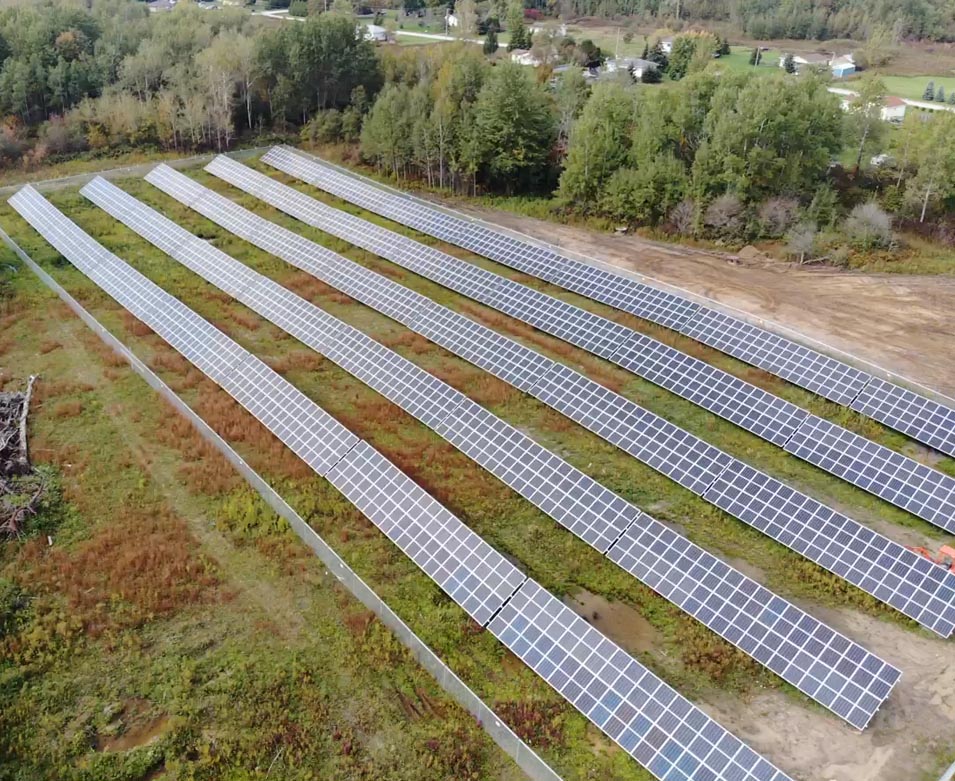
Energy sovereignty allows communities to own, control, and manage their energy resources instead of depending on external suppliers.
For Communities, this means:
Lower energy costs by reducing dependency on imported electricity and fossil fuels. Job creation in energy management, maintenance, and infrastructure development. Cultural alignment, ensuring energy projects reflect Indigenous values and environmental stewardship. Stronger local economies as energy spending remains within the community.
An example of energy sovereignty in action is First Nations developing and operating their own microgrids, ensuring their power is generated and distributed locally.
Case Study – Lac des Mille Lacs First Nation
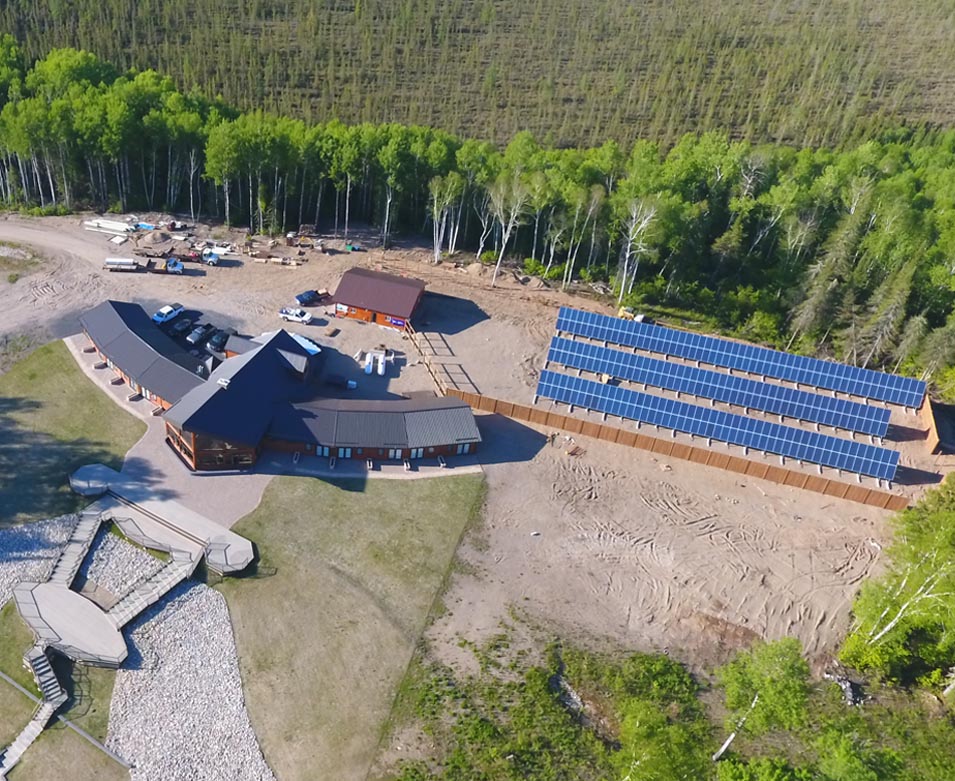
Lac des Mille Lacs First Nation is rebuilding its community and developing Reserve 22A1 with a focus on sustainable infrastructure. A key part of this development is a fully off-grid renewable energy system powering the community’s Round House and Cultural Center.
Project Highlights: System Size: 100 kW solar array + 250 kWh battery storage system (BESS) + hot water storage. Energy Impact: Provides 100% off-grid power, eliminating reliance on diesel. Community Benefits: Supports cultural activities, promotes energy independence, and reduces environmental impact.
This project showcases how BESS and renewable energy can support self-sufficiency and resilience for Indigenous communities building a sustainable future.
Case Study – Gull Bay First Nation, Ontario
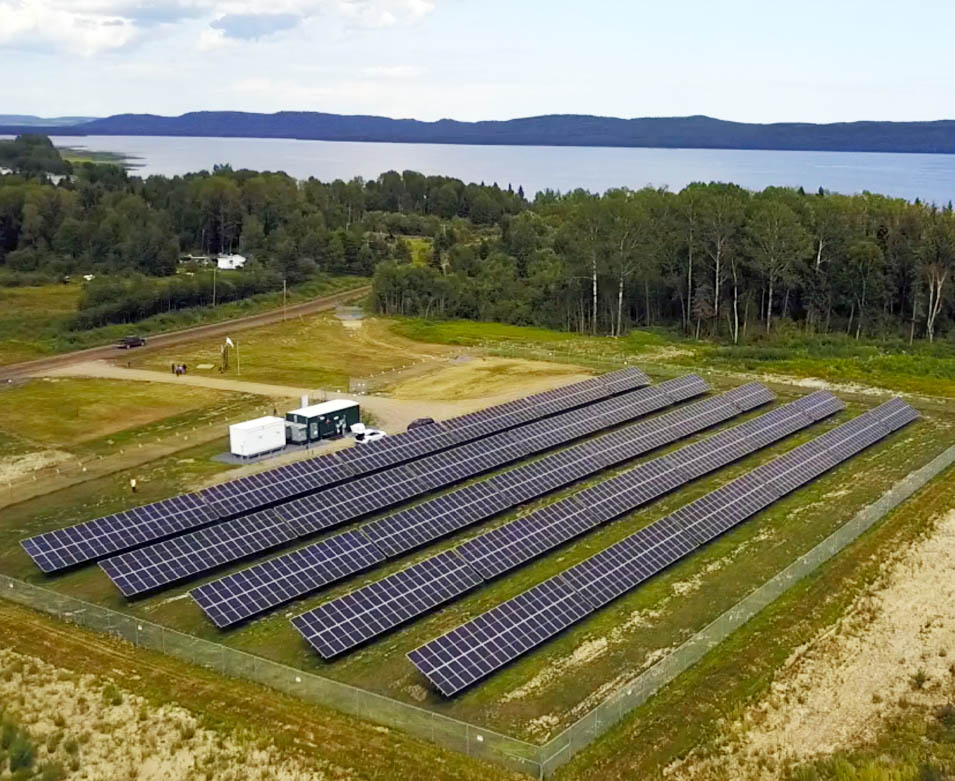
Gull Bay First Nation (Kiashke Zaaging Anishinaabek) implemented Canada’s first fully integrated renewable energy microgrid, replacing part of their diesel power supply with solar and battery storage.
System Overview: Solar Capacity: 360 kW of solar panels. Battery Storage: 350 kWh lithium-ion BESS. Impact: Reduces diesel fuel use by approximately 25% per year, cutting costs and emissions.
The community owns and operates the system, reinforcing energy sovereignty while providing stable, clean energy.
Revenue Opportunities – Grid Services
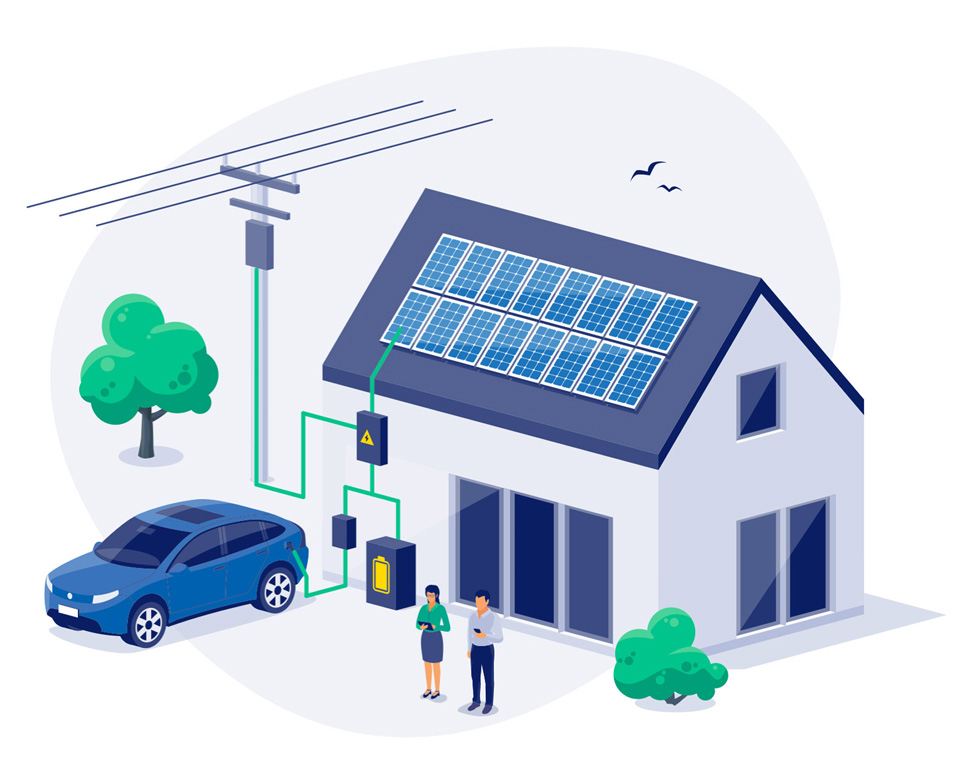
Beyond backup power, BESS can generate income by participating in grid services, where stored energy is used to support the larger electricity grid.
Frequency Regulation: The battery releases or absorbs power to keep the grid stable. Voltage Support: BESS can help regulate voltage levels to prevent brownouts. Spinning Reserve: When the grid needs quick backup power, stored energy in a BESS can be dispatched within seconds.
By selling these services to the grid, communities can offset energy costs and fund further development of clean energy infrastructure.
Peak Shaving – Reducing Energy Costs
Peak shaving allows a community to store energy when electricity is cheap and use it when demand
(and costs) are high.
For example:
During the day, solar panels charge the BESS when electricity demand is low. In the evening, when demand spikes, the BESS discharges stored power instead of drawing from the grid. This reduces peak demand charges, lowering electricity costs for the entire community.
This method is especially useful for on-grid Indigenous communities looking to control energy expenses.
Demand Response – Getting Paid to Reduce Energy Use
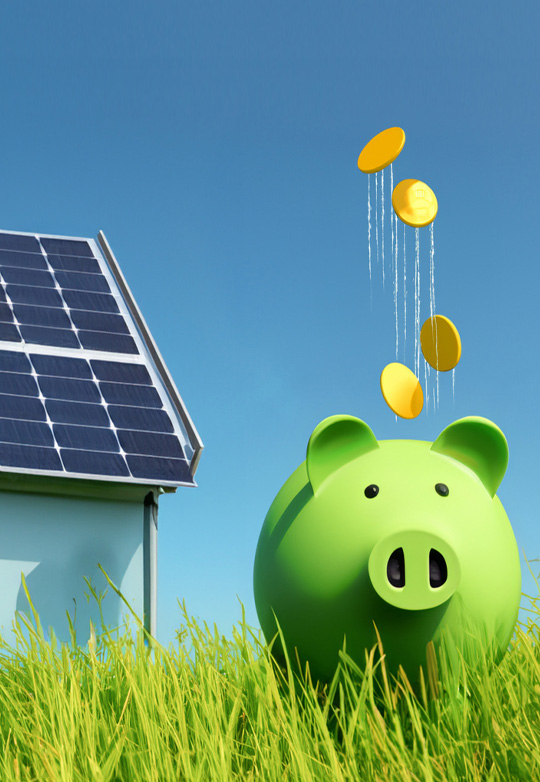
Demand response programs allow communities to earn money by reducing electricity consumption during peak demand times.
How It Works:
The utility signals a peak-demand event. The BESS discharges stored energy instead of drawing from the grid. The community is paid or credited for the reduction.
This is a win-win: The grid remains stable, and the community receives financial incentives for participating.
Energy Sovereignty review
What are the benefits of energy sovereignty for communities?
BESS benefits for the community review
How can Battery Energy Storage Systems (BESS) benefit communities beyond backup power?
BESS Use Cases and System Design
SUBMODULE 3 Commercial & Industrial
Battery Storage
Introduction to Commercial and Industrial Battery Storage
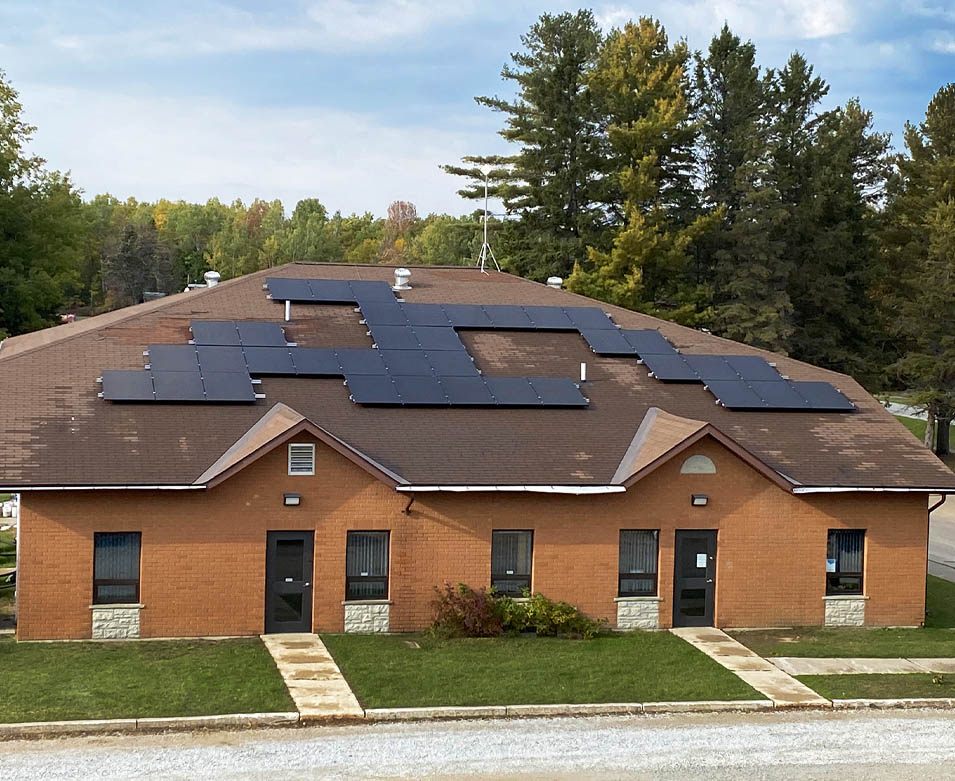
Battery Energy Storage Systems (BESS) are not just for homes—they are also valuable for businesses, band offices, and community buildings. These systems help reduce electricity costs, provide backup power, and support energy independence.
For commercial and industrial (C&I) users, the main benefits of BESS include: Lower electricity bills through demand charge management and load shifting. Reliable backup power to keep operations running during outages. Integration with renewables for cleaner, more sustainable energy use.
This section will explore how BESS works for larger buildings and businesses, including financial strategies for ownership and investment.
Why Businesses and Community Buildings Need BESS
Electricity costs for businesses and large buildings are different from homes. Most commercial customers pay for both energy use (kWh) and peak demand (kW), meaning they are charged based on their highest usage periods.
Common energy challenges: High demand charges for using power during peak times. Grid outages disrupt operations and create financial losses. Limited access to renewable energy storage without a BESS.
BESS can sometimes solve these challenges by reducing peak demand costs, providing backup power, and enabling renewable energy integration.
Understanding Demand Charge Management
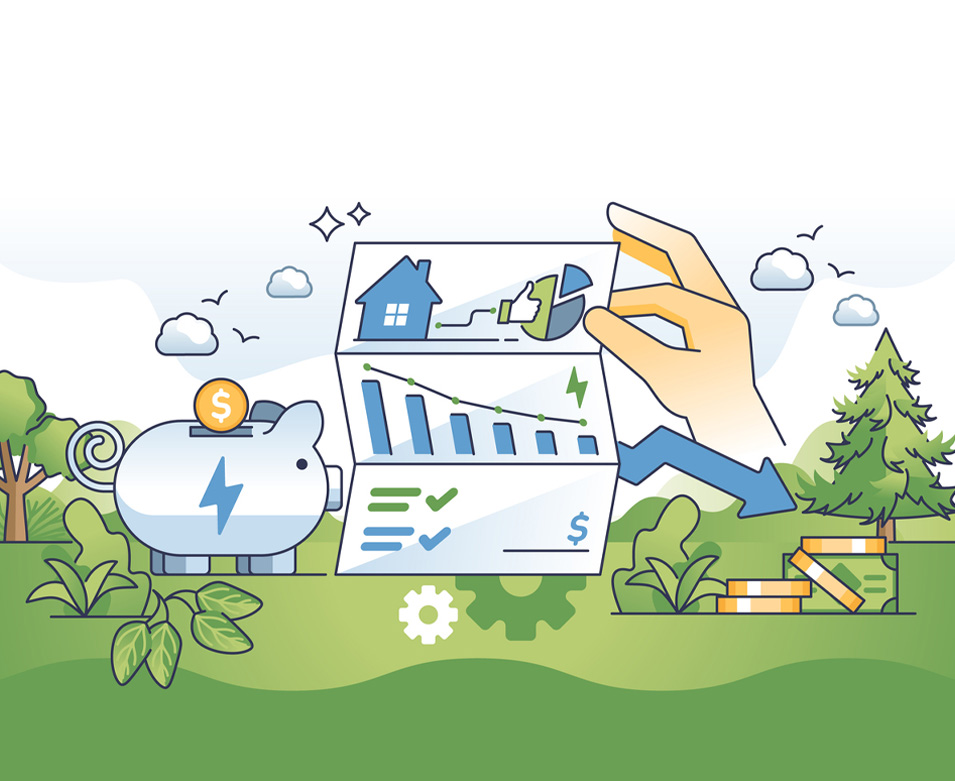
Businesses and large buildings pay demand charges, which are based on their highest power usage in a billing period. These charges can make up
40-60% of a commercial electricity bill.
How BESS reduces demand charges: The battery stores energy when demand is low. When demand peaks, the battery discharges energy instead of pulling from the grid. This lowers peak usage, reducing costly demand charges.
Example: A band office with a 100 kW demand spike can use a BESS to cap its demand at 60 kW, significantly reducing electricity costs.
Load Shifting – Using Stored Energy at the Right Time
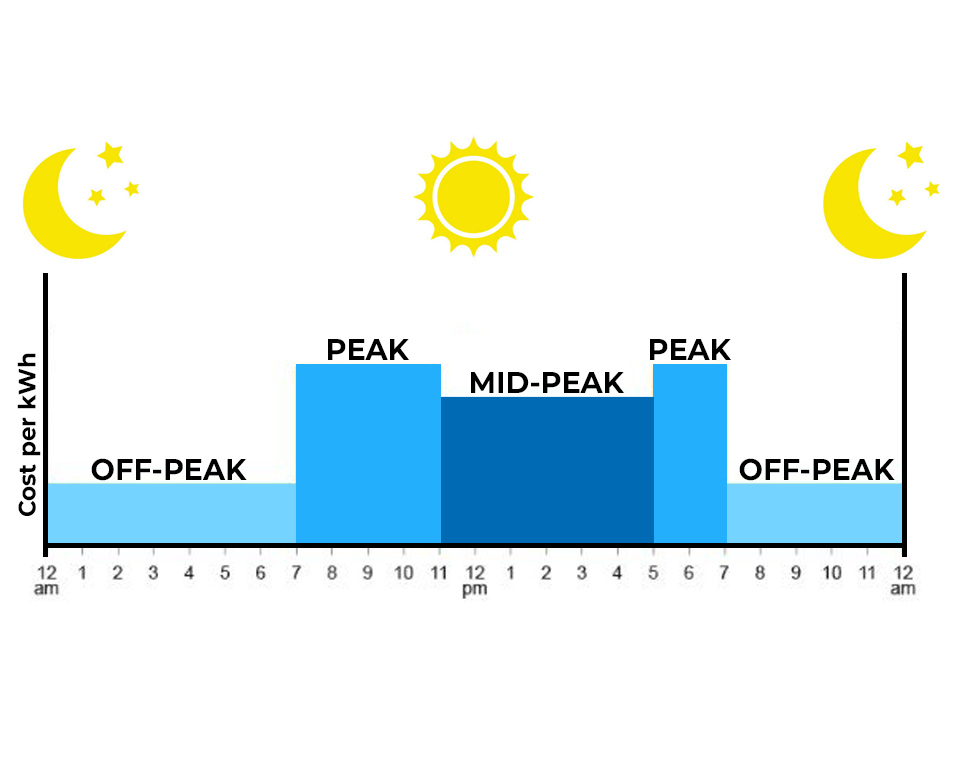
Load shifting allows businesses to store energy when it’s cheap and use it when costs are high.
How it works: Charge the battery overnight when electricity rates are lower. Discharge the battery in the afternoon or evening when rates are high. Save money by avoiding peak electricity prices.
Load shifting works best in communities with time-of-use (TOU) pricing, where electricity rates vary throughout the day.
Backup Power – Keeping Operations Running
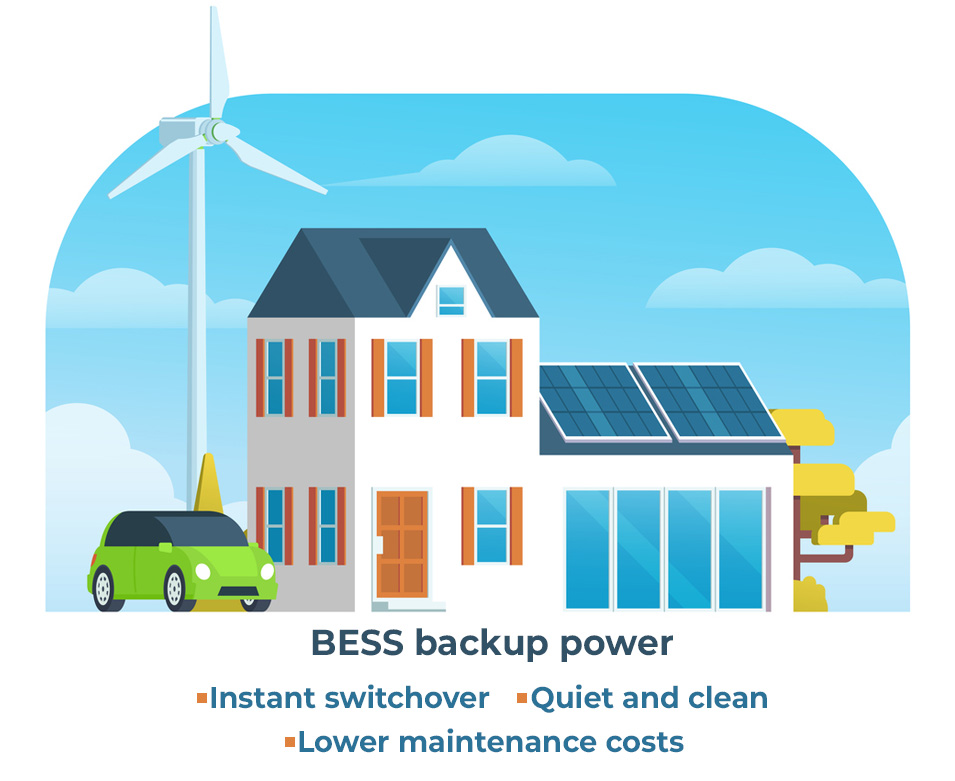
Power outages can be costly for businesses and community buildings. A BESS ensures that essential operations continue even when the grid is down.
Key benefits of BESS for backup power: Instant switchover – No downtime when the grid goes out. Quiet and clean – Unlike generators, BESS has no emissions or noise. Lower maintenance costs – No fuel storage or engine upkeep required.
For remote communities that frequently experience power disruptions, BESS ensures that essential services like health clinics, grocery stores, and communication networks remain operational.
Choose Your Priority – Or Plan for Both
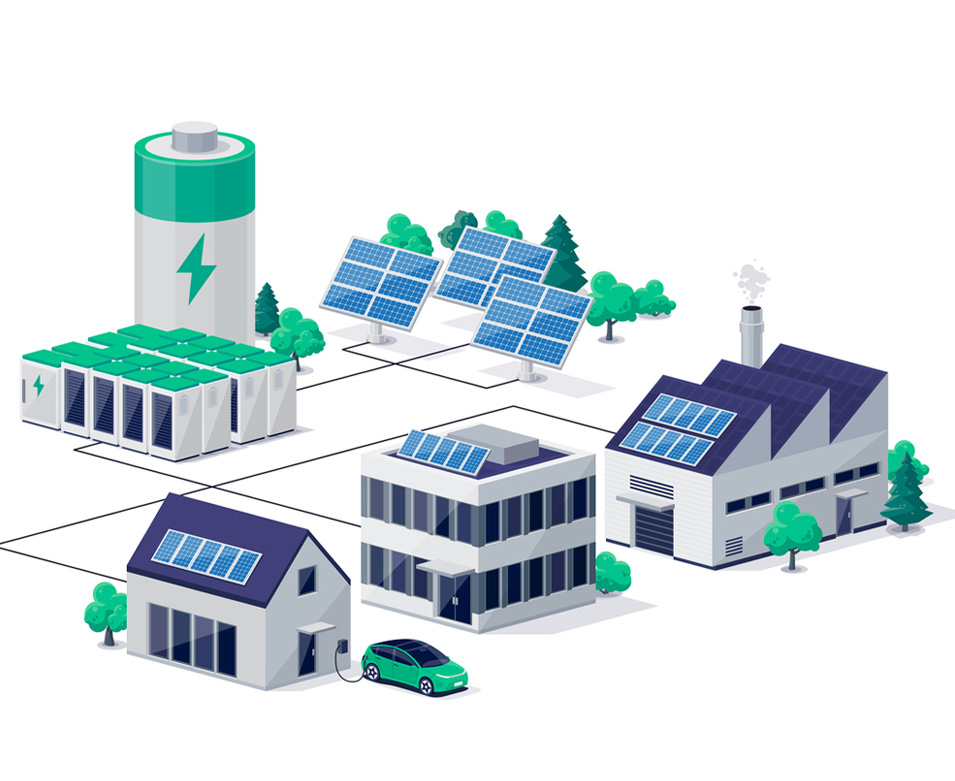
You can't count on the same battery capacity for both load shifting and backup power.
Why?
If the battery is fully discharged during peak hours… …and the power goes out at night… …you’ll have no stored energy for backup.
Solution:
Extra capacity must be installed and reserved solely for backup Consider two separate systems or a hybrid strategy:
○ Example - 10 kWh for backup + 5 kWh for load shifting
Design Tip: Always calculate worst-case scenarios and size the system accordingly.
Backup and economic optimization require different strategies - and different battery sizing.
Financing and Ownership Models for Businesses and Communities
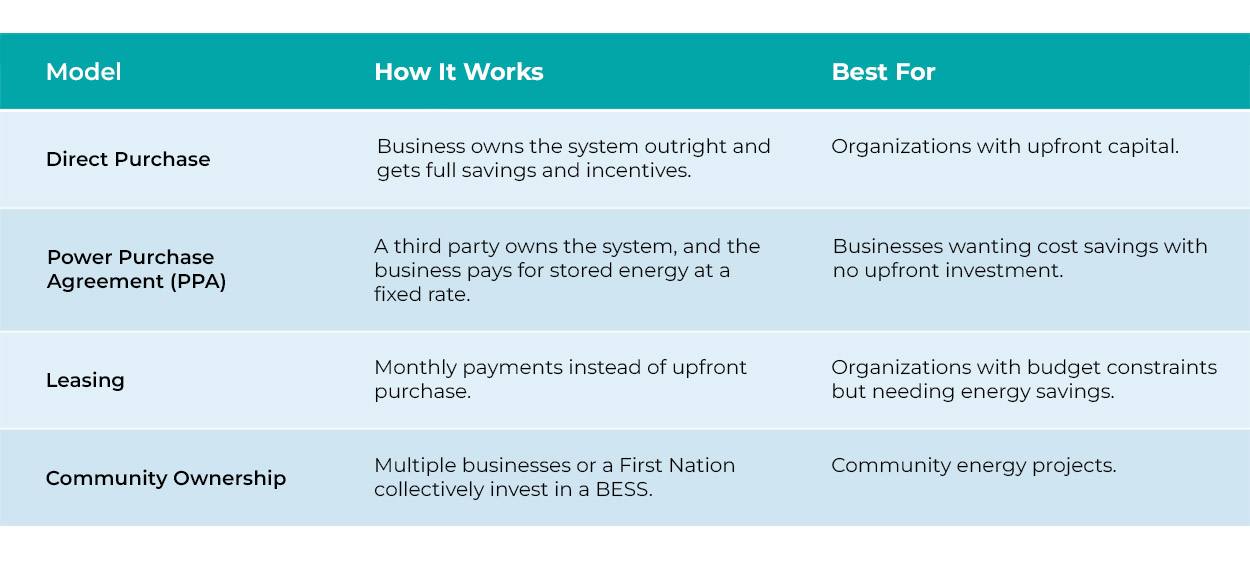
Financing & Ownership Models for Businesses & Communities
Investing in a BESS can be expensive, but different financing models make it more accessible:
Choosing the right model depends on budget, energy goals, and available incentives.
Commercial and Industrial Battery Storage review
What are the benefits of commercial and industrial Battery Energy Storage Systems (BESS) for businesses and Indigenous communities?
Summary – The Business Case for BESS
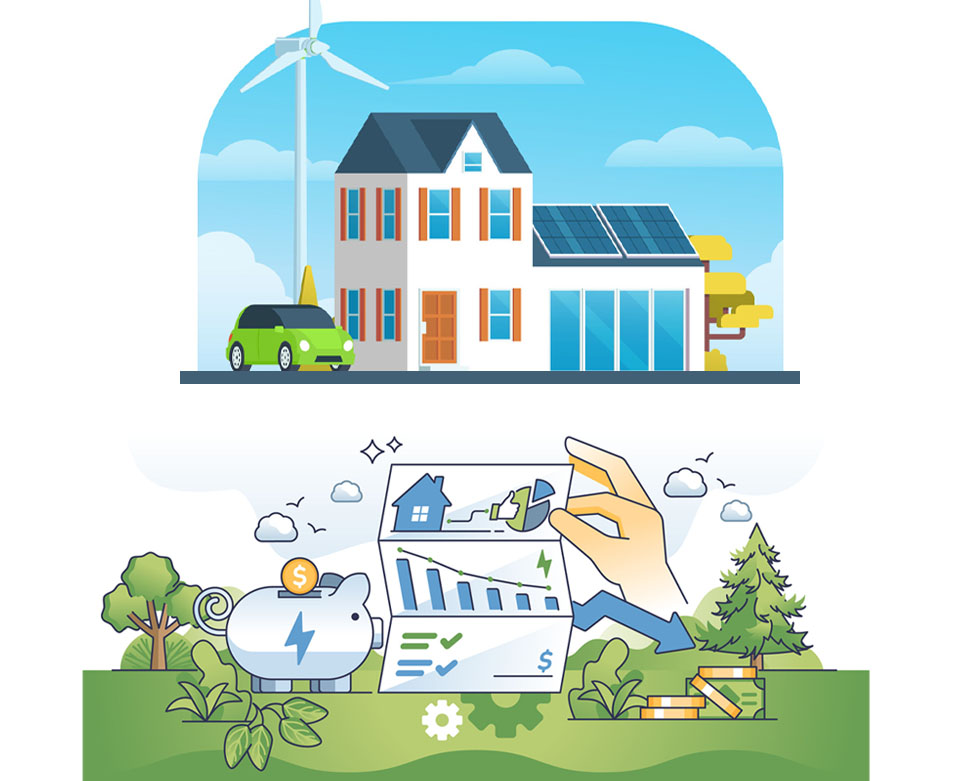
Commercial and industrial BESS systems offer energy savings, reliability, and sustainability for businesses, band offices, and community buildings.
Key Takeaways: Demand charge management reduces peak electricity costs. Load shifting optimizes energy use based on pricing. Backup power ensures critical operations stay online. Solar + BESS integration helps businesses use more clean energy. Flexible financing models make BESS accessible.
For Indigenous communities, BESS represents an opportunity to lower energy costs, create local jobs, and support economic sovereignty.
Post-test
Answer these to see what landed. We’ll point you back to anything worth a second look.