
Quick pre-check
A quick baseline of what you already know — no grade, no pressure. Not sure about a question? It’s okay to leave it blank.
💾 Sign in first so your results save to the dashboard.
Introduction
Site Selection and System Sizing

SUBMODULE 1 Site Selection &
System Sizing
Introduction to Site Selection and System Sizing
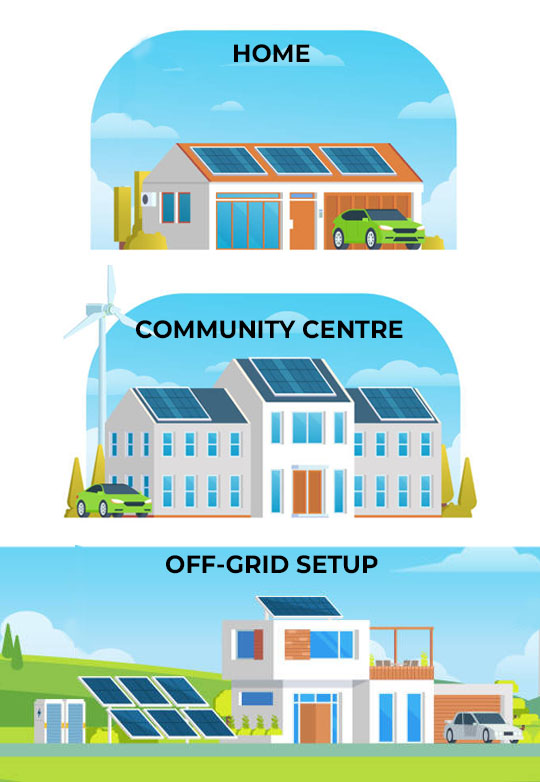
Proper site selection and system sizing are essential for a successful Battery Energy Storage System (BESS) installation. The right location and battery capacity ensure maximum efficiency, safety, and reliability.
This module will cover: How to assess energy needs and conduct feasibility studies. Selecting the best battery technology for the specific application. Integrating BESS with solar photovoltaic (PV) systems for enhanced energy resilience.
Conducting a Feasibility Study for BESS

A feasibility study helps determine whether a BESS installation makes sense for a home or community.
Key Steps: Energy Audit: Measure power consumption patterns. Solar & Battery Potential: Assess if solar panels or other energy sources can support the battery. Site Conditions: Check space availability, temperature considerations, and safety regulations. Economic Analysis: Compare costs, incentives, and expected savings over time.
A proper feasibility study ensures that a BESS system is the right fit before making a significant investment.
Choosing the Right Battery Technology
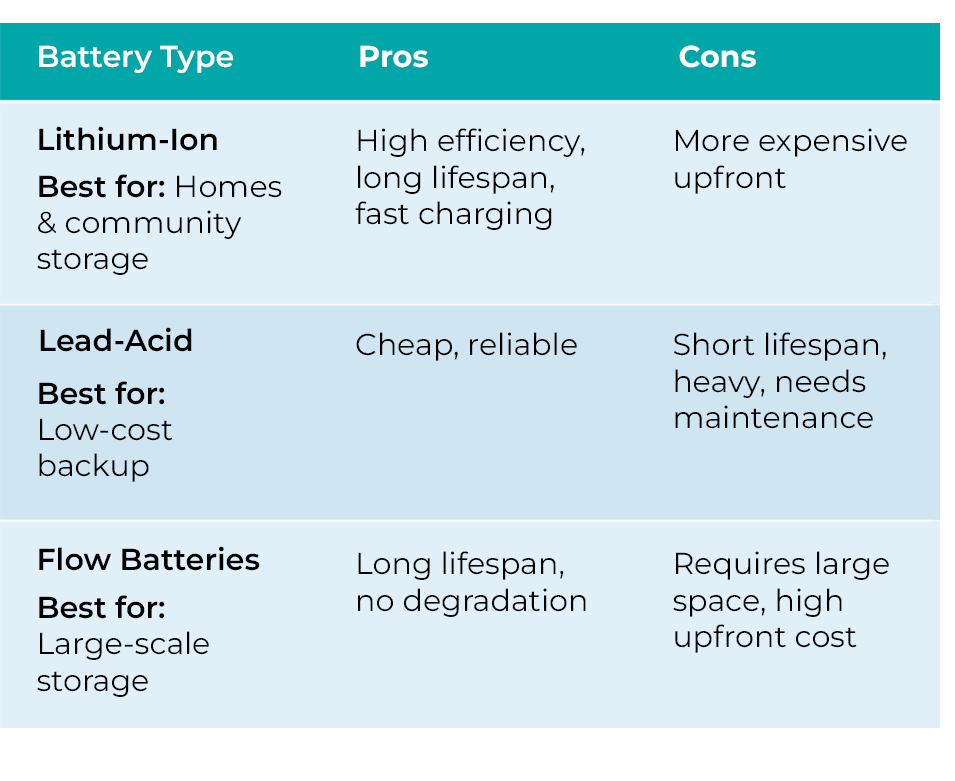
Different battery technologies have different advantages. The best choice depends on budget, use case, and environmental conditions.
For most residential and community applications, lithium-ion batteries are preferred due to their high efficiency, long lifespan, and compact size.
Selecting the Best Location for a BESS
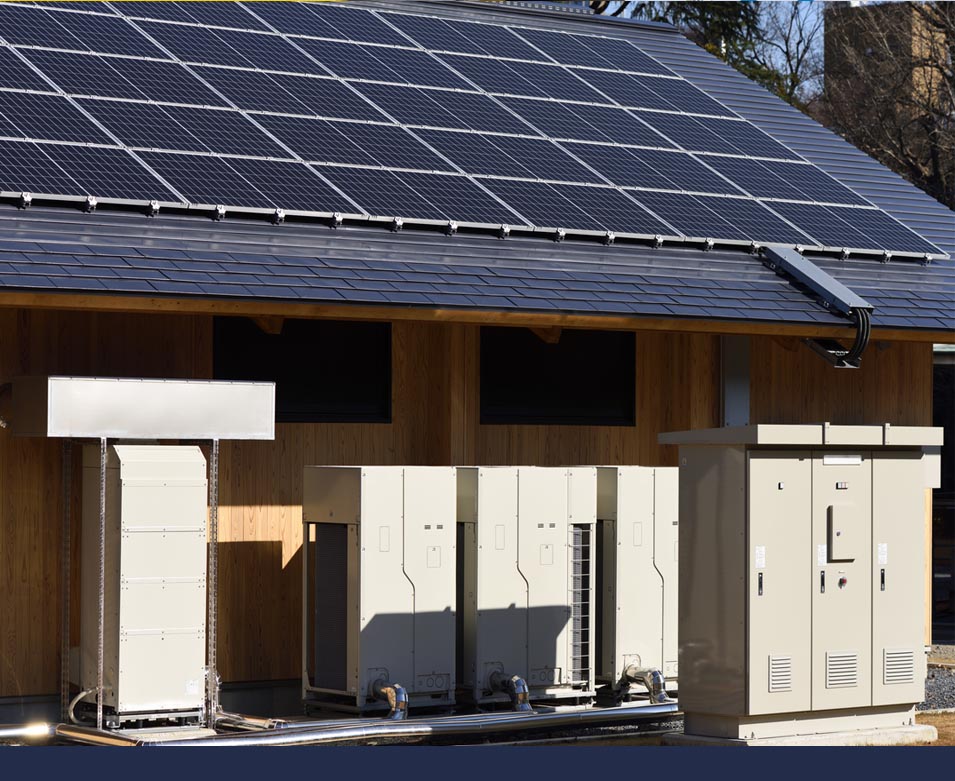
The placement of a battery storage system affects safety, efficiency, and ease of maintenance.
Ideal Site Conditions: Ventilated Areas: Batteries generate heat and need airflow. Away from Extreme Temperatures: High heat or freezing conditions can degrade performance. Close to Electrical Panel: Reduces wiring costs and efficiency losses. Protected from Flooding & Physical Damage: Install above flood levels and away from impact risks.
BESS can be installed indoors (garage, basement) or outdoors in weatherproof enclosures.
Integrating BESS with Solar PV Systems
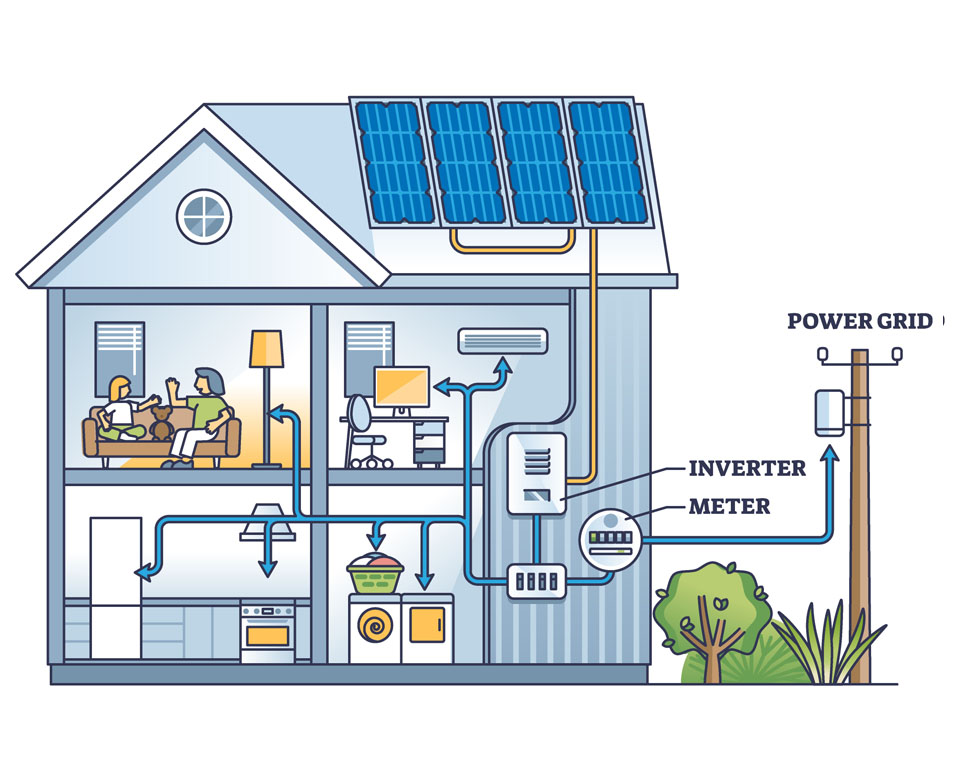
Pairing a BESS with a solar photovoltaic (PV) system allows energy to be stored for later use, reducing grid reliance and increasing cost savings.
How BESS + Solar Works: Solar panels generate electricity during the day. Excess energy charges the BESS. At night or during outages, the battery discharges stored power. If connected to the grid, excess power can be sold (net metering).
A well-designed solar + storage system allows communities to maximize energy independence and resilience.
Grid-Tied vs. Off-Grid BESS Installations
Battery systems can be set up in two ways:
Grid-Tied (On-Grid) BESS: Connected to the main electricity grid. Can use net metering to sell excess solar energy. Provides backup power when the grid is down. Typically smaller batteries needed.
Off-Grid BESS: Fully independent from the grid. Must store enough power for nighttime and cloudy days. Requires a larger battery system and often a backup generator. Best for remote Indigenous communities with unreliable grid access.
Battery Sizing for Community Projects
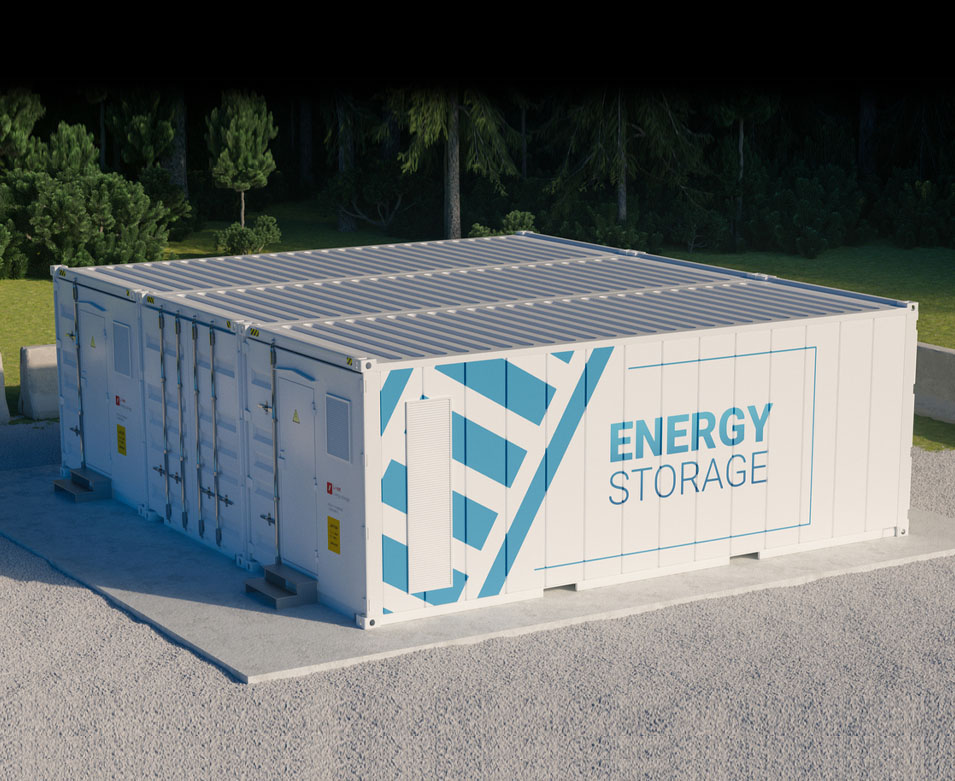
For community-scale battery storage, the system must be large enough to serve multiple buildings.
Sizing Considerations: Number of buildings & energy consumption. Backup duration (hours/days). Renewable energy generation (solar/wind capacity). Load priorities (essential services like band offices, health clinics, grocery stores).
Example: A remote community with 20 homes & a band office consumes 200 kWh/day. A 300 kWh BESS can provide backup power for 1-2 days, depending on solar generation.
Factors That Impact Battery Performance
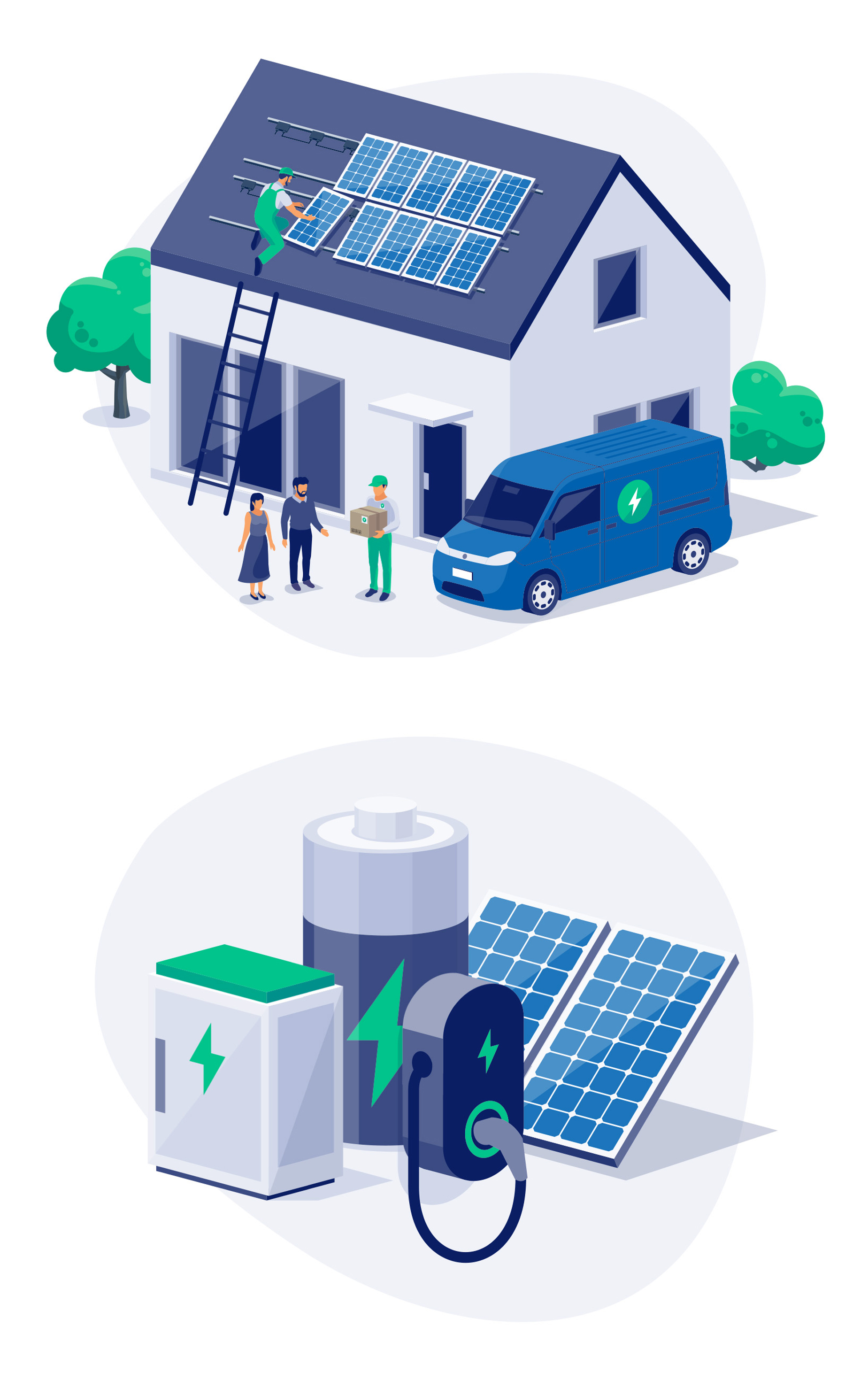
Several factors influence how well a BESS performs over time:
Depth of Discharge (DoD)
Using 100% of a battery’s charge every time reduces lifespan. Best practice: Keep discharge at 50-80% for longer life.
Temperature
Extreme heat or cold affects battery efficiency. Thermal management systems help maintain performance.
Charge Cycles
Batteries degrade with use. Lithium-ion batteries last 5,000+ cycles, while lead-acid lasts only 500-1,500 cycles.
Maintenance
Proper software monitoring and occasional checks ensure the battery remains in optimal condition.
Summary – Designing the Right BESS System
A well-designed Battery Energy Storage System (BESS) maximizes energy efficiency, reliability, and cost savings.
Key Takeaways: Assess energy needs before choosing a system size. Select the right battery technology based on budget and performance. Site selection is crucial for safety and efficiency. Solar + BESS integration provides energy independence. Proper maintenance extends battery lifespan and improves reliability.
Understanding these elements helps homeowners and communities install the right system for their energy needs.
Factors to consider for a BESS review
What are important considerations and steps before installing a Battery Energy Storage System (BESS)?
Ideal location for a BESS review
What are the ideal site conditions for installing a Battery Energy Storage System (BESS)?
High-Level Installation Overview

SUBMODULE 2 High-Level
Installation
Overview
Introduction to BESS Installation
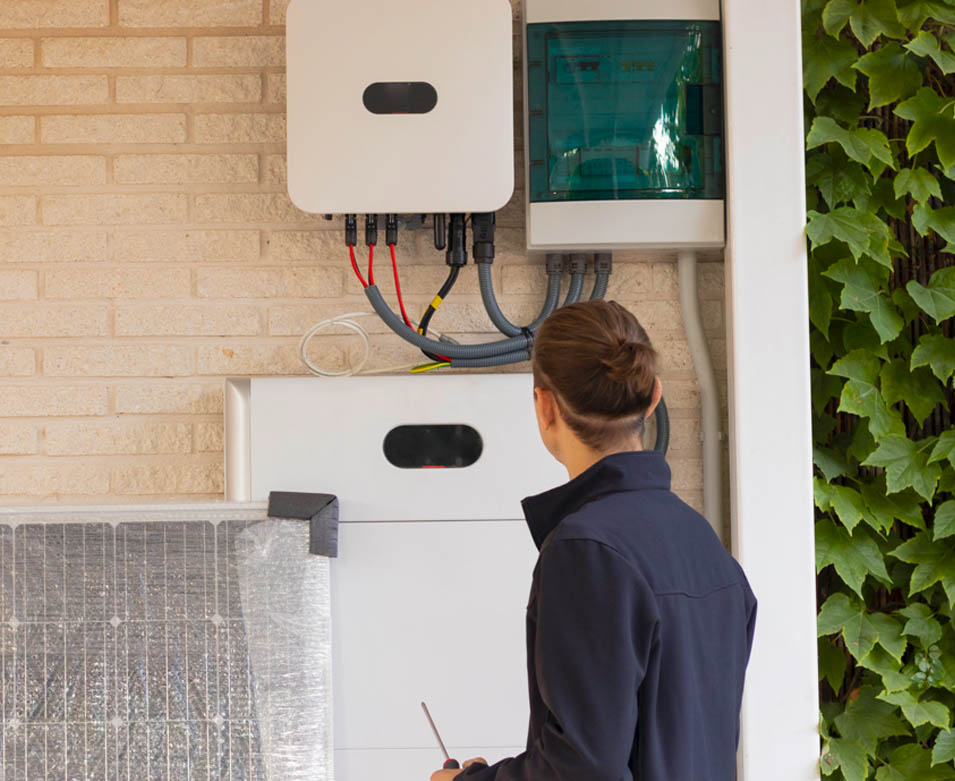
Installing a Battery Energy Storage System (BESS) requires careful planning to ensure safety, efficiency, and compliance with regulations. A proper installation includes:
Key system components: Inverters, charge controllers, and monitoring systems. Correct placement, ventilation, and fire safety considerations. Certified electricians and installers to ensure compliance with the Ontario Electrical Safety Authority (ESA) standards.
This section provides a high-level overview of the installation process, helping users understand how a BESS is safely integrated into homes and community buildings.
Key Components of a BESS Installation
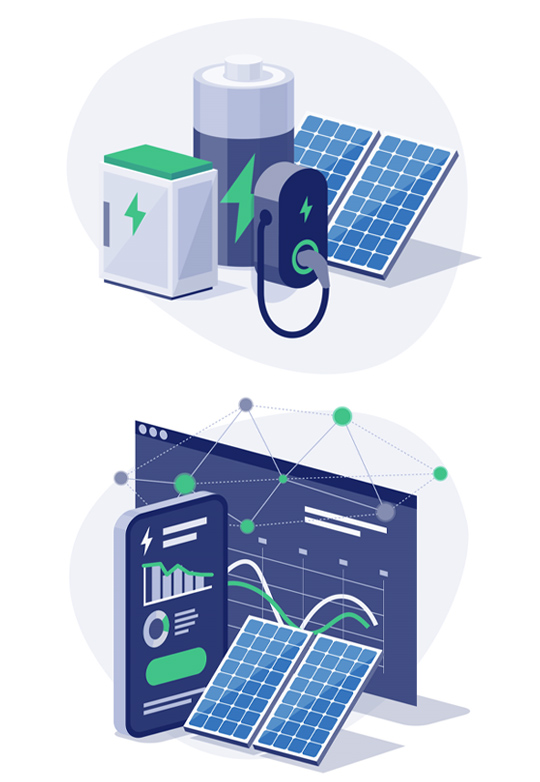
A BESS installation consists of several essential components that work together to store and supply electricity.
Battery Bank
Stores electricity for later use. Can be lithium-ion, lead-acid, or flow batteries.
Inverter
Converts DC power (battery storage) into AC power (used by appliances).
Charge Controller (if using solar)
Regulates charging to prevent battery overcharging or deep discharges.
Battery Management System (BMS)
Monitors battery health, temperature, and charging status.
Monitoring System
Provides real-time data on battery charge levels, energy consumption, and system performance.
Understanding Inverters – The Heart of a BESS
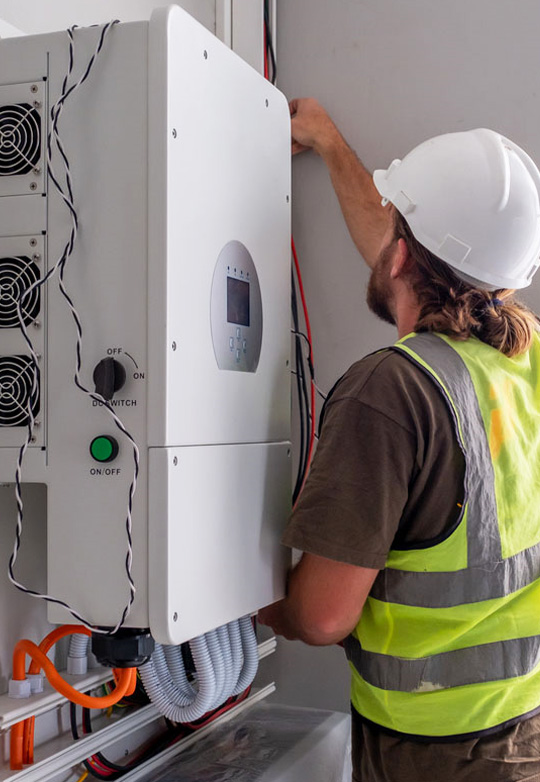
An inverter is one of the most important parts of a BESS, as it converts DC (Direct Current) power from batteries into AC (Alternating Current) power used by household appliances.
Types of Inverters:
Grid-Tied Inverter
Works with the grid, often used with net metering systems.
Hybrid Inverter
Can switch between grid and off-grid operation, allowing solar + battery integration.
Off-Grid Inverter
Fully independent from the grid, used for remote applications.
Charge Controllers – Regulating Battery Charging
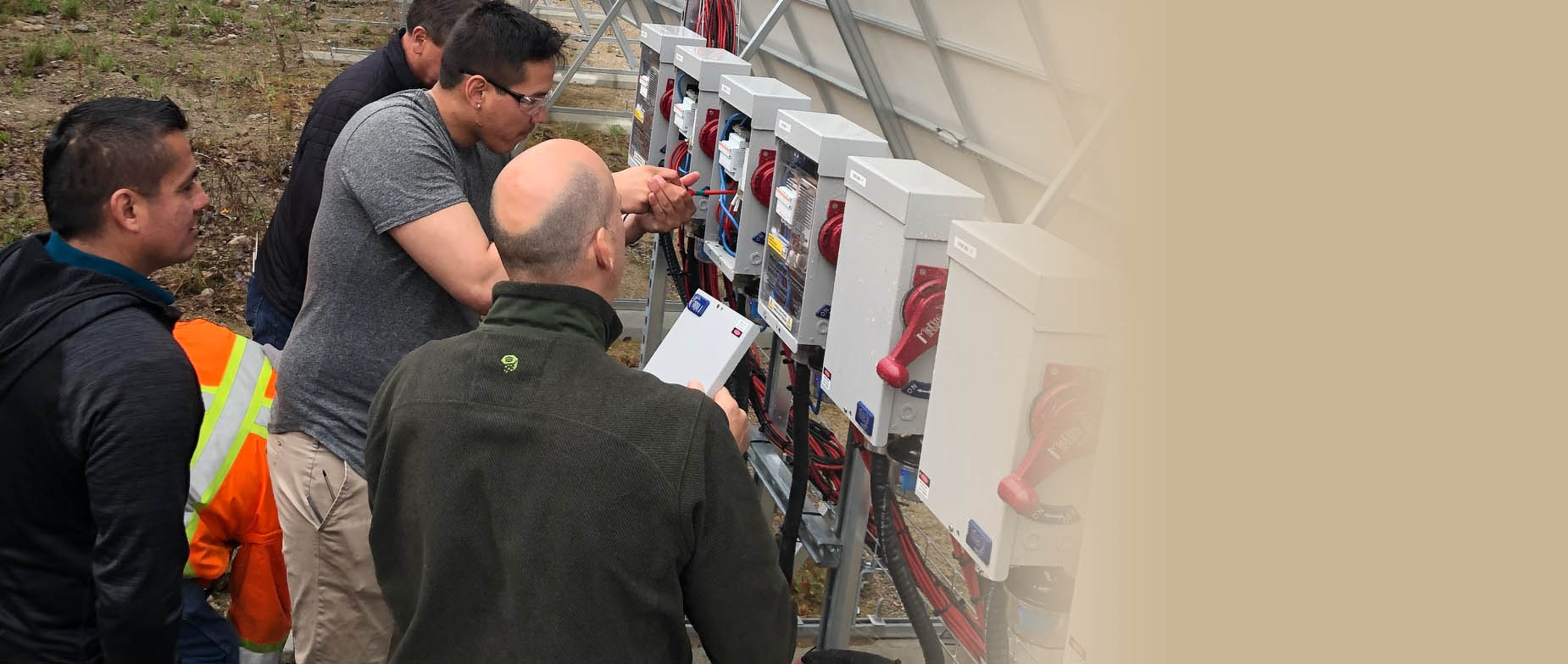
A charge controller is used when a BESS is integrated with solar panels. It manages the flow of electricity from the solar panels to the batteries, ensuring:
Efficient charging without overloading the battery. Battery protection against deep discharges. Optimized power conversion to maximize solar energy use.
Types of Charge Controllers:
PWM (Pulse Width Modulation): Basic, lower cost, less efficient. MPPT (Maximum Power Point Tracking): More advanced, higher efficiency (~30% more energy from solar).
For most modern solar + BESS systems, MPPT charge controllers are recommended for their higher efficiency and better performance in varying weather conditions.
Monitoring Systems – Tracking Performance and Efficiency

A BESS monitoring system provides real-time data on battery performance, energy consumption, and system health.
What a monitoring system tracks: Battery charge level and energy usage patterns. Solar energy production and consumption (if applicable). Alerts for system issues or maintenance needs.
Monitoring Options: Local Display Panels: Installed at home for easy access. Remote Monitoring Apps: Allows tracking via smartphones or computers. Utility Integration: Some systems allow grid operators to track and optimize energy use.
Monitoring helps improve system efficiency and troubleshoot issues quickly, ensuring reliable operation.
Connection Regulations for BESS (Ontario)
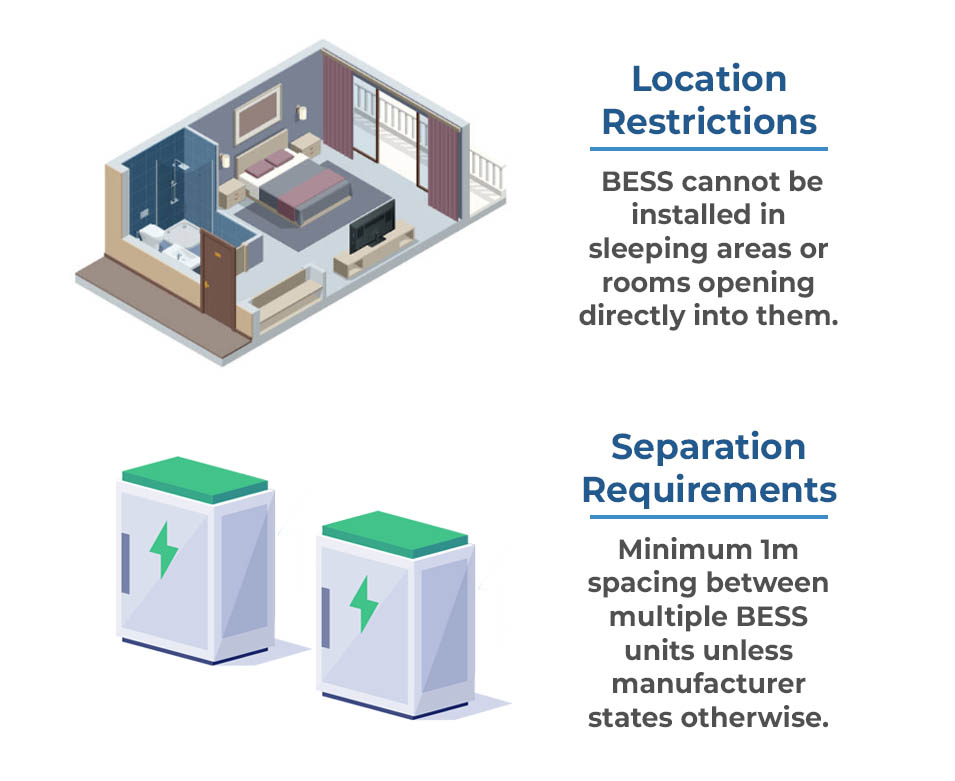
Proper installation of Battery Energy Storage Systems (BESS) is crucial to ensure compliance with Ontario’s Electrical Safety Authority (ESA) regulations. The 2024 Canadian Electrical Code (CE Code) has introduced new requirements for residential BESS installations.
Key Installation Regulations: Location Restrictions: BESS cannot be installed in sleeping areas or rooms opening directly into them. A smoke alarm is required in the room where the system is installed. Approved Installations: Must comply with manufacturer installation instructions and meet ANSI/CAN/UL 9540 certification. Ventilation & Clearance: BESS ventilation must align with manufacturer guidelines. If unspecified, general code rules apply. Minimum clearance of 1m from windows/doors is required.
Capacity Limits: Dedicated room/utility room: Max 20 kWh per unit, 40 kWh total. Attached garage/exterior: Increased limit from 40 kWh to 80 kWh. Separation Requirements: Minimum 1m spacing between multiple BESS units unless manufacturer states otherwise. Installation Areas: Allowed in attached/detached garages, outdoor areas, or dedicated fire-rated rooms.
Working with Certified Installers and Electricians
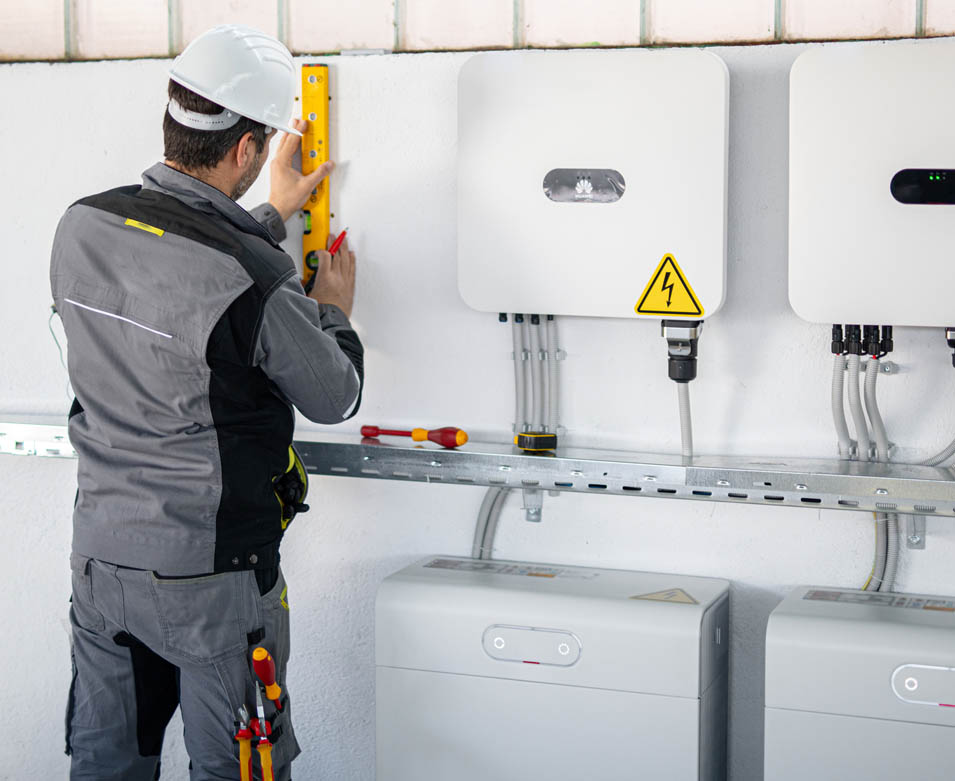
BESS installation must be done by certified professionals to ensure compliance with Ontario Electrical Code and ESA regulations.
Why Work with Certified Installers? Ensures proper wiring, grounding, and system integration. Prevents safety hazards like short circuits, overcharging, or fire risks. Makes the system eligible for warranties, insurance, and government incentives.
How to find a qualified installer:
Check that they hold a valid ESA licence. Ask for references from previous battery-storage projects. Confirm they are certified or trained by the equipment manufacturer.
Essential components of a BESS review
What are the essential components of a Battery Energy Storage System (BESS) installation?
Charge Controller review
What is the role of a charge controller in a solar-integrated Battery Energy Storage System (BESS)?
Battery Operation and Maintenance

SUBMODULE 3 Battery
Operation &
Maintenance
Introduction to Battery Operation and Maintenance
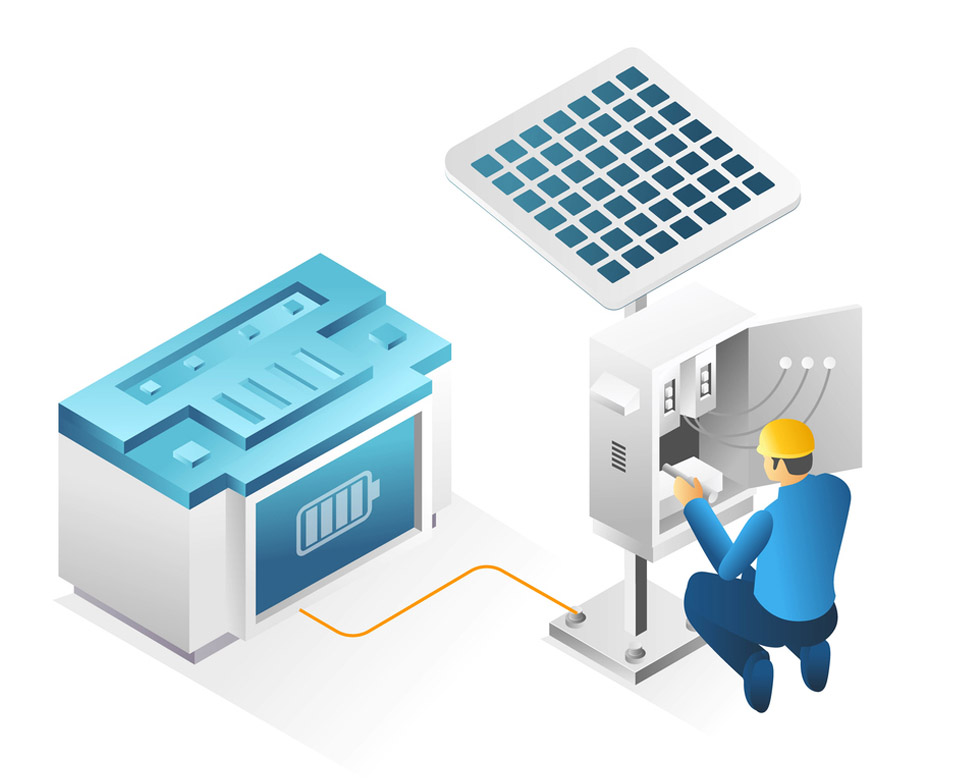
Proper operation and maintenance of a Battery Energy Storage System (BESS) are essential for maximizing lifespan, ensuring reliability, and maintaining safety.
This module will cover: Best practices to extend battery life and performance. Troubleshooting common BESS issues and solutions. Safety protocols for handling, maintenance, and disposal.
With regular monitoring and care, a BESS can last 10-15 years or more, providing consistent backup power and energy savings.
Fire Safety Is a Real Concern – And It’s Being Taken Seriously
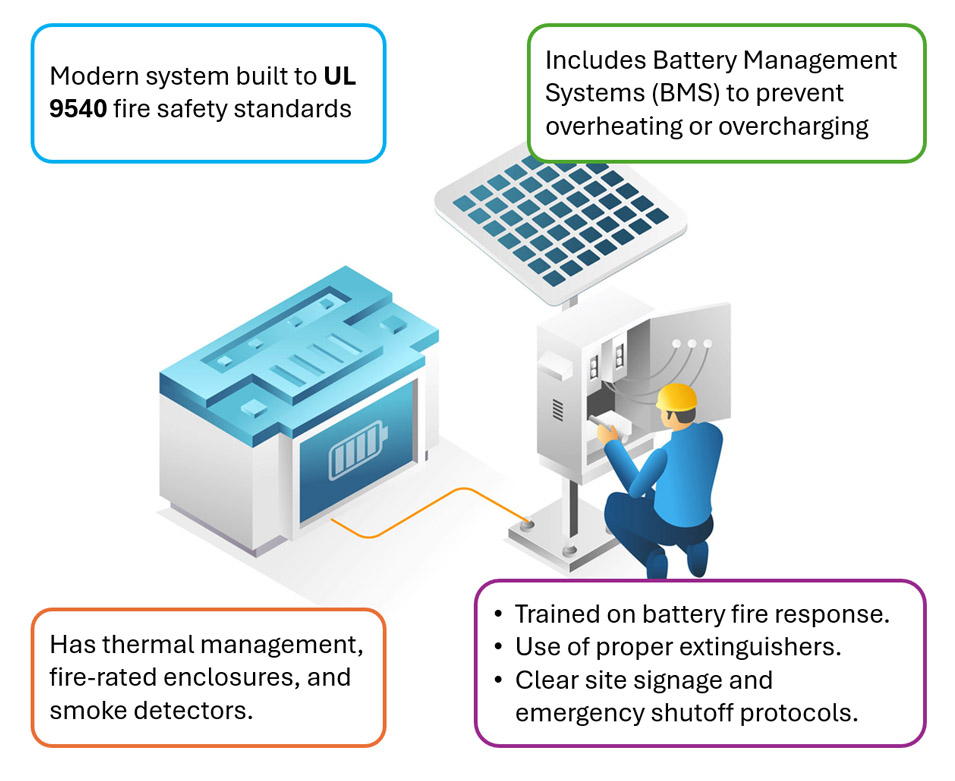
Public concerns about battery fires are valid, especially with grid-scale systems. While rare, lithium-ion batteries can catch fire if damaged or improperly managed. Community trust is key to any energy project.
How the risk is managed:
Modern systems are built to UL 9540 fire safety standards. BESS includes Battery Management Systems (BMS) to prevent overheating or overcharging. Thermal management, fire-rated enclosures, and smoke detectors are required. Fire department coordination is essential:
o Training on battery fire response
o Use of proper extinguishers (Class D, lithium-ion-specific agents)
o Clear site signage and emergency shutoff protocols
BESS developers should work early with fire services, and community leaders to build trust and transparency.
Best Practices for Extending Battery Lifespan
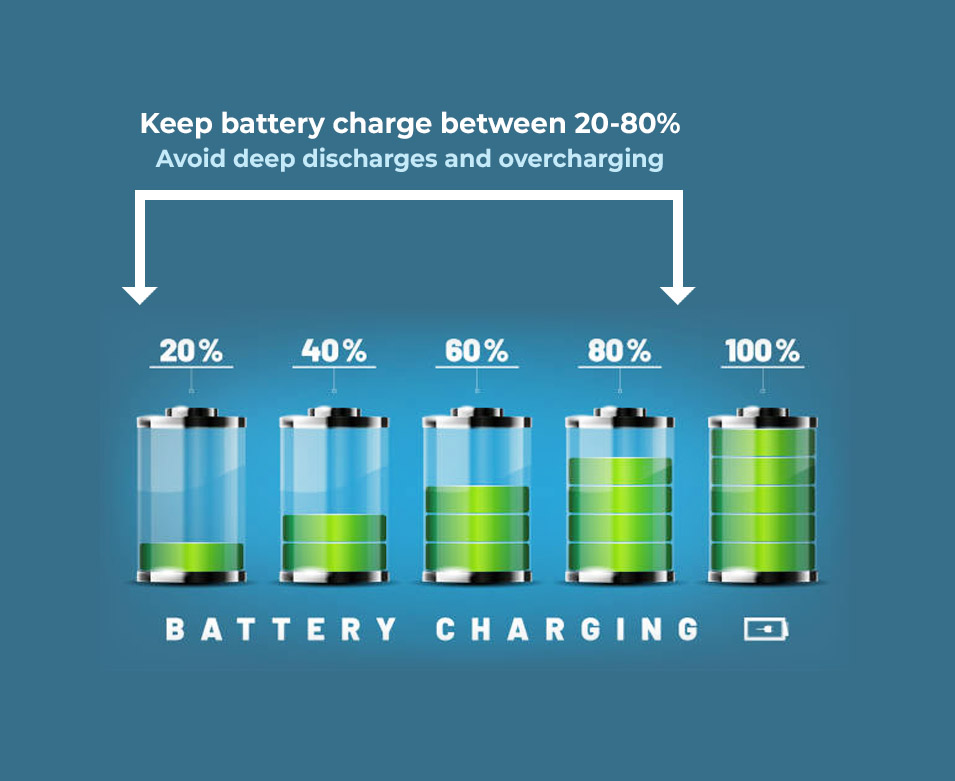
A BESS is a long-term investment, and how it is used and maintained directly affects its lifespan.
Key Tips for Maximizing Battery Life:
Keep battery charge between 20-80% – Avoid deep discharges and overcharging. Store in a temperature-controlled area – Maintain within 10-30°C (50-86°F) for best performance. Avoid high discharge rates – Rapid discharges generate heat and reduce lifespan. Regularly check software updates – Manufacturers release firmware updates to improve efficiency. Minimize idle time – Batteries should be used regularly to stay in good condition.
Understanding Battery Degradation
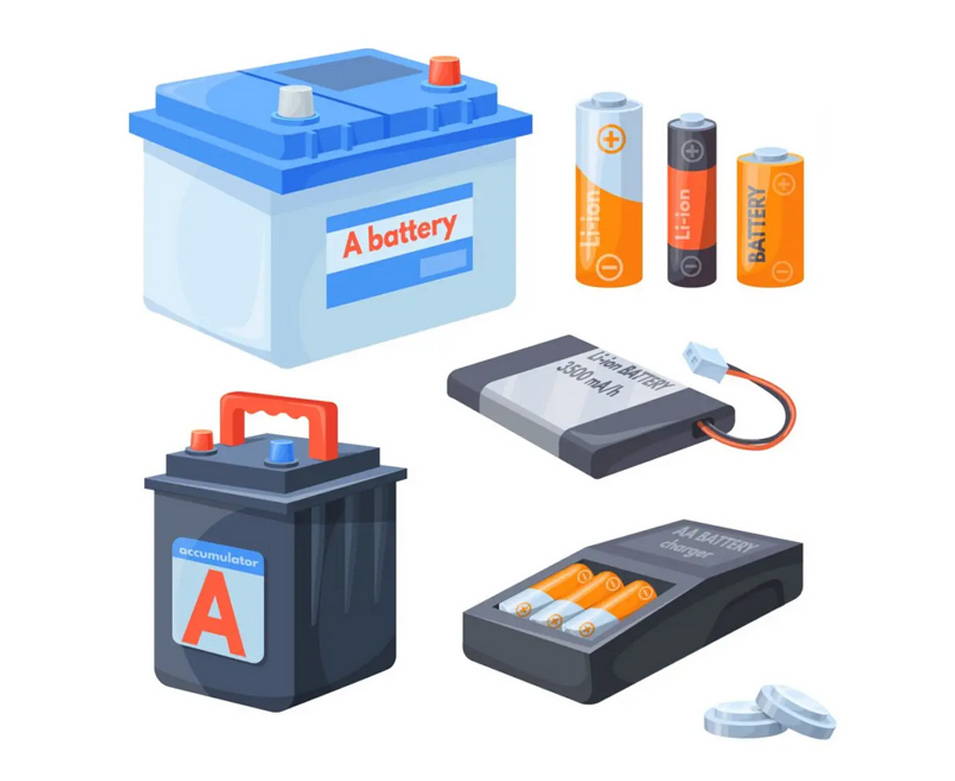
All batteries degrade over time, gradually losing capacity. The rate of degradation depends on:
Factors Affecting Battery Lifespan:
Charge cycles: A lithium-ion battery typically lasts 5,000-7,000 cycles before significant capacity loss. Depth of Discharge (DoD): Frequent deep discharges (below 20%) accelerate aging. Temperature fluctuations: Exposure to extreme heat or cold can cause faster degradation. Storage conditions: Keeping a battery at full charge for long periods can shorten its life.
Most BESS warranties guarantee 70-80% of original capacity after 10 years, meaning the battery will still function but hold less energy.
Monitoring Systems – Keeping Track of Battery Health

A BESS monitoring system helps track performance, detect issues early, and optimize energy use.
What a monitoring system tracks:
Battery charge levels – Avoids overcharging or deep discharging. Energy usage patterns – Identifies areas for improved efficiency. Error alerts & warnings – Notifies users of potential system failures. Temperature readings – Ensures safe operating conditions.
Most modern BESS systems come with mobile apps or web dashboards, allowing homeowners and facility managers to remotely monitor their system.
Routine Maintenance Checklist for BESS

While BESS systems are designed to be low-maintenance, periodic checks ensure optimal performance and safety.
Monthly Maintenance Tasks:
Check battery charge levels and cycle history. Inspect ventilation and temperature conditions. Monitor energy use and efficiency through the app/dashboard.
Annual Maintenance Tasks:
Inspect connections and wiring for wear or damage. Check for software updates and install firmware patches. Review battery health reports from the monitoring system.
Long-Term Maintenance (Every 5+ Years):
Plan for battery replacement or capacity expansion if needed. Test backup power functionality before storm seasons.
Battery Recycling and End-of-Life Disposal
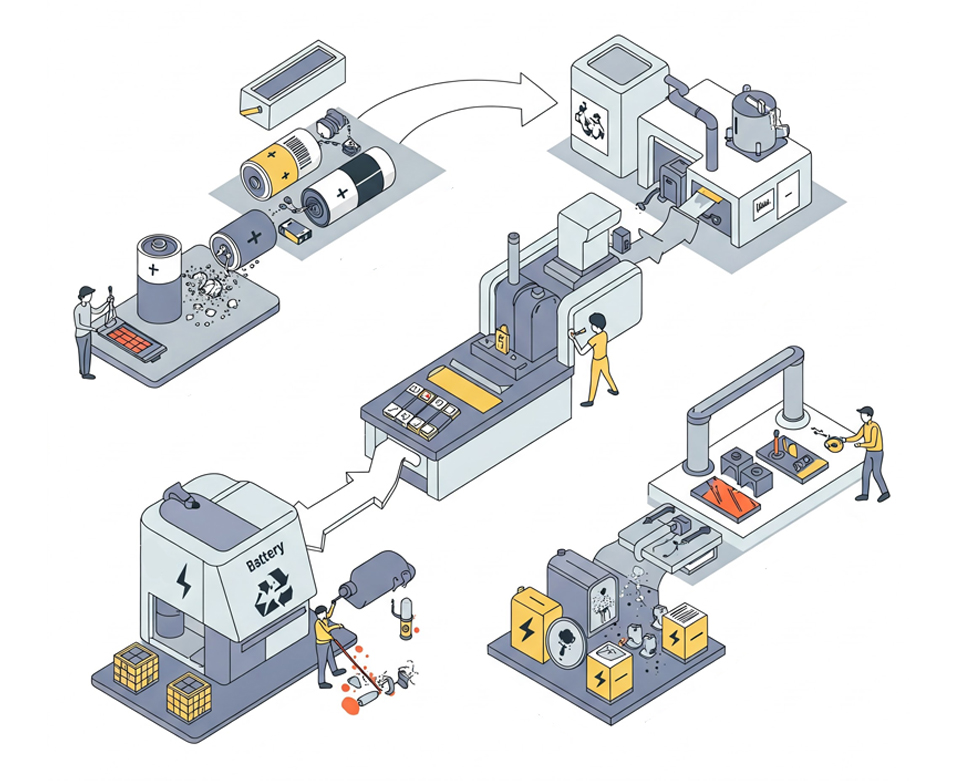
At the end of its lifespan, a BESS must be disposed of properly to prevent environmental damage.
Recycling Options for Different Battery Types: Lithium-Ion Batteries: Can be recycled to recover lithium, cobalt, and nickel. Some manufacturers offer battery take-back programs. Lead-Acid Batteries: 98% recyclable and widely accepted at disposal centers. Flow Batteries: Some designs allow electrolyte replacement, reducing waste.
Ontario has strict battery disposal regulations — never throw batteries in household trash. Certified recycling centers or manufacturers must handle battery disposal.
Summary – Ensuring a Long-Lasting, Safe BESS
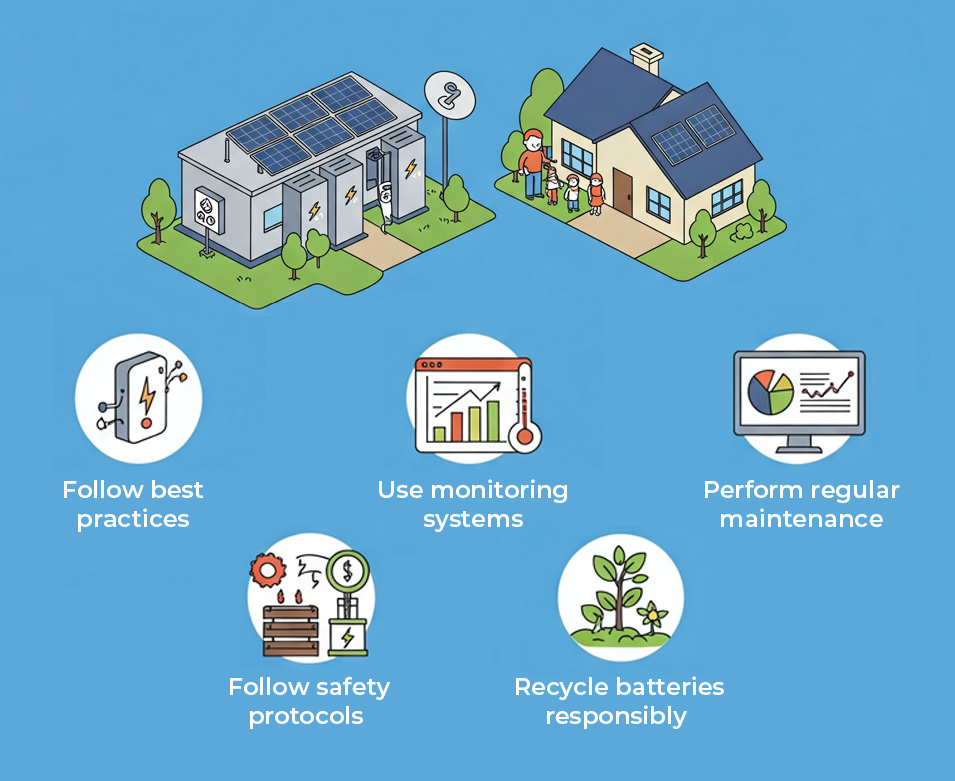
Proper operation and maintenance ensure that a BESS remains reliable, safe, and efficient for years to come..
Key Takeaways: Follow best practices to extend battery life (temperature control, charge management). Use monitoring systems to track battery health and detect issues early. Perform regular maintenance (check wiring, ventilation, and system updates). Follow safety protocols to prevent accidents and handle battery fires correctly. Recycle batteries responsibly to reduce environmental impact.
By following these guidelines, homeowners and businesses can maximize the performance and longevity of their BESS investment.
Best Practices for Extending Battery Lifespan review
What are key tips for maximizing the lifespan of a Battery Energy Storage System (BESS)?
Routine Maintenance Checklist for BESS review
Which of these is NOT a recommended BESS maintenance task?
Post-test
Answer these to see what landed. We’ll point you back to anything worth a second look.