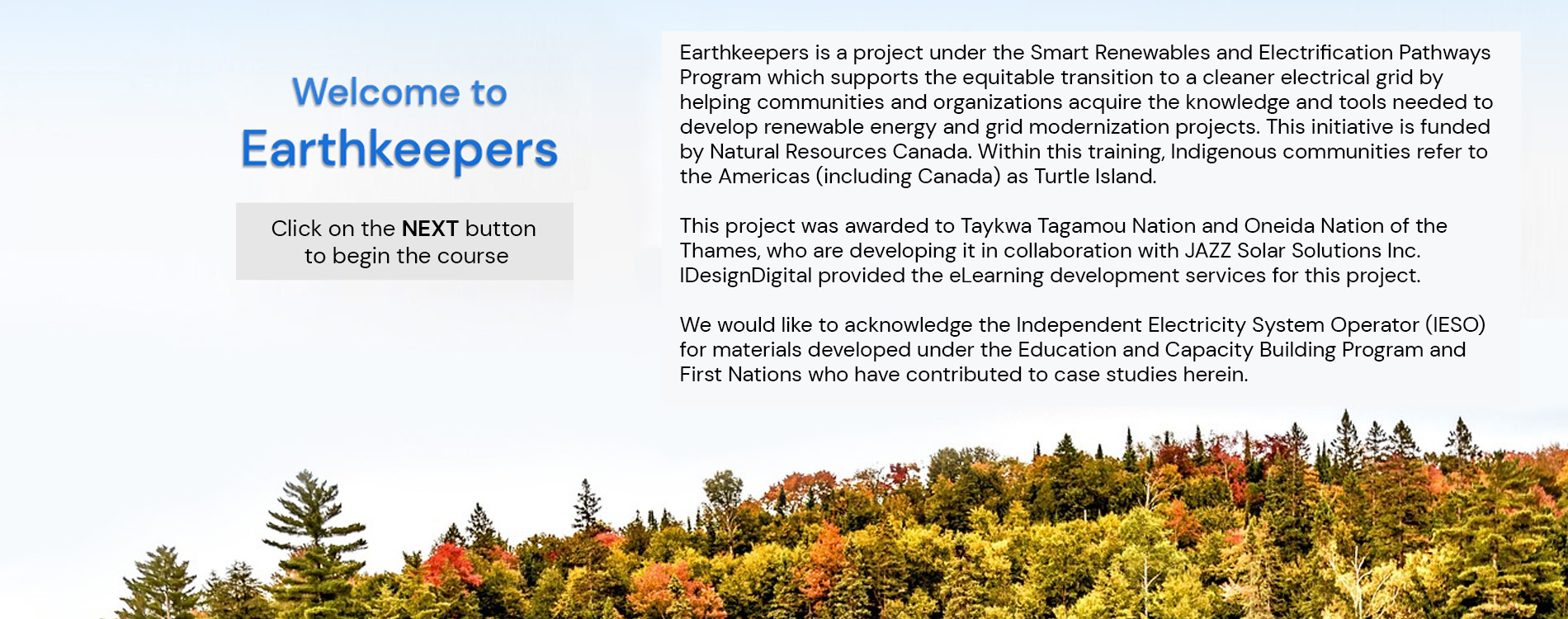
Welcome to Earthkeepers
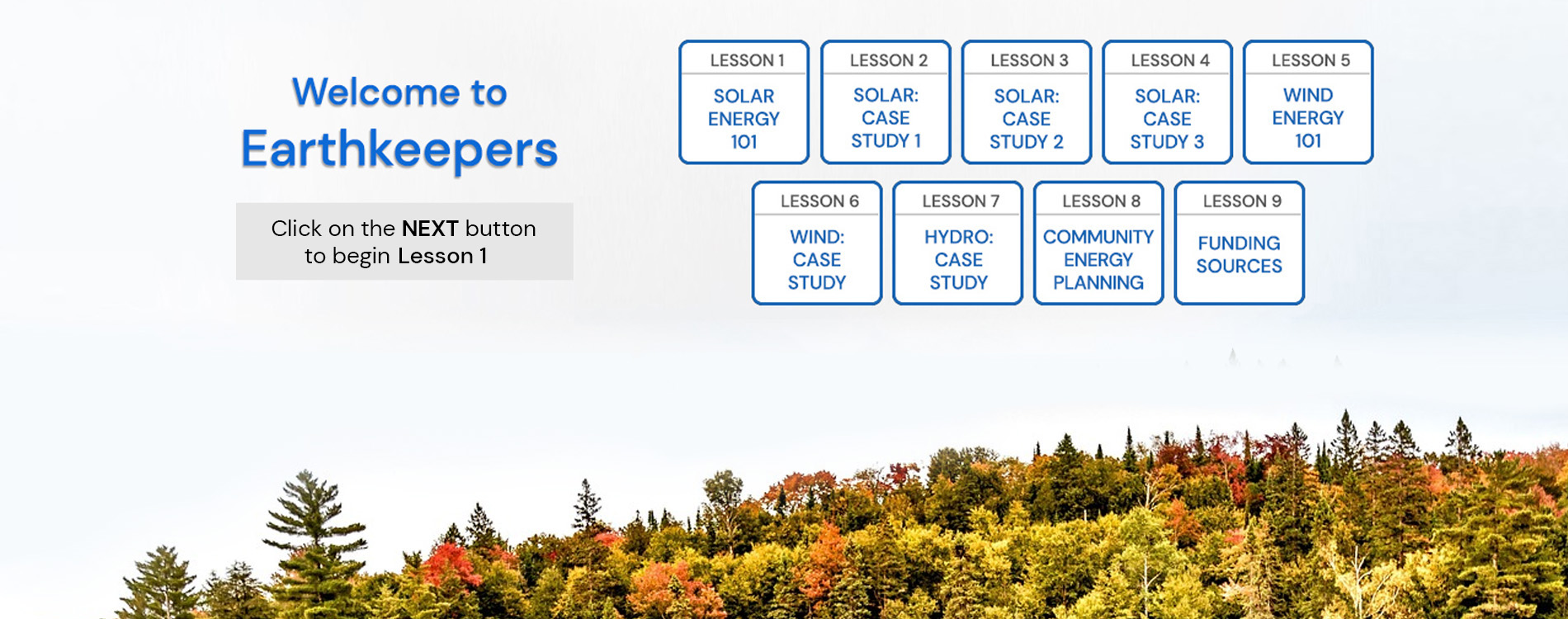
Earthkeepers lessons
Solar energy 101
Potential for Solar energy throughout Turtle Island
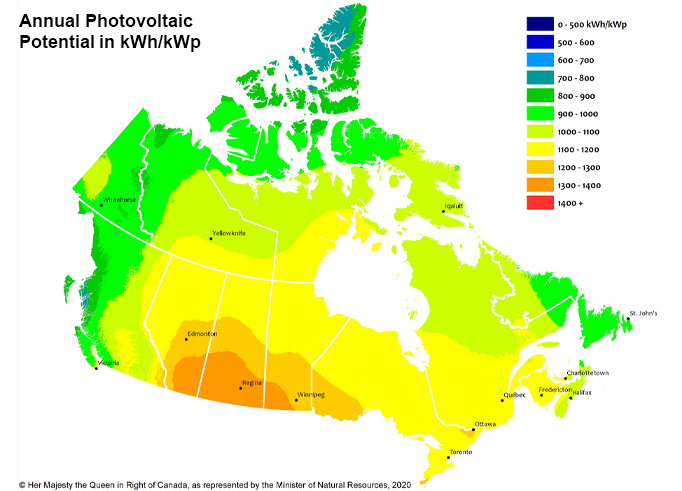
The potential for solar energy throughout Turtle Island is lower in coastal areas due to increased cloud coverage and is higher in the central regions.
In general, many regions throughout Turtle Island have a solar potential that is comparable internationally with that of many major cities. About half of Turtle Island’s residential electricity requirements could be met by installing solar panels on the roofs of residential buildings.
Source: Natural Resources Canada.
Natural Resources Canada publishes photovoltaic potential and solar resource maps.
Solar basics: How is sunlight converted to electricity?
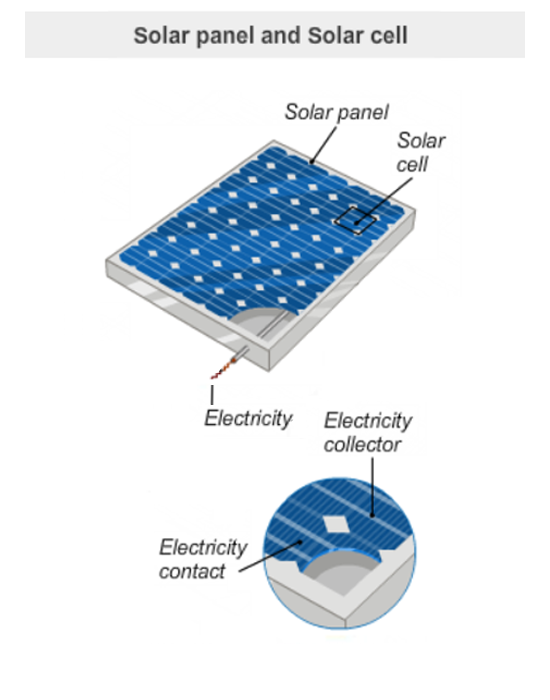
Before we learn how solar systems are helping people reduce their electricity bills and generate revenue, let's look at some solar basics. In the following screens, we will learn about how Solar photovoltaic systems work, household electricity usage, and some units of measurement to help us understand how costs for electricity are calculated.
Solar basics: Size of the Solar PV System
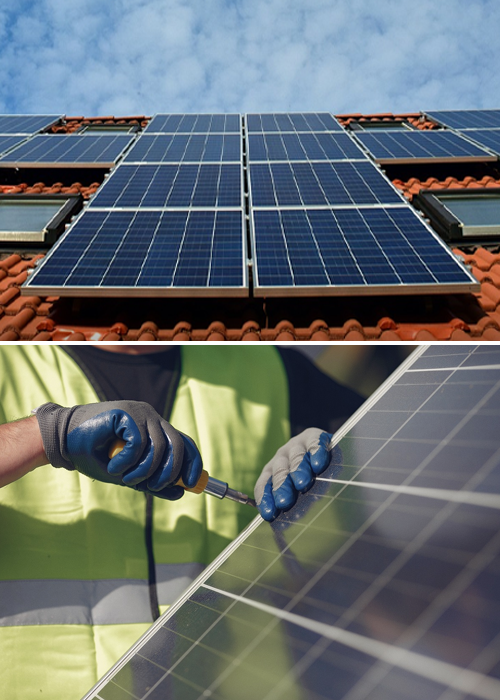
The size of a Solar PV system for producing electricity depends on these factors: The amount of electricity to be generated. The efficiency of the solar cells and panels being used, which is a measure of how much of the sun’s energy they can convert to usable electrical energy. The amount of solar energy your neighbourhood receives over time. This number varies depending on the weather and where you live. For example, there is a difference in the solar potential between central Turtle Island and coastal areas.
There are three main sizes of solar panels: 60 cell, 72 cell and 96 cell. The 60 and 72 cell are the most common in residential and commercial use. 96 cell panels are large (measuring 17.5 square feet) and can be challenging to fit on roofs.
Solar panel sizes differ between manufacturers. Broadly, the dimensions are about 65 inches x 39 inches or 5.4 feet x 3.25 feet. These dimensions have remained similar for many years, but the efficiency and output have increased dramatically with technological advances.
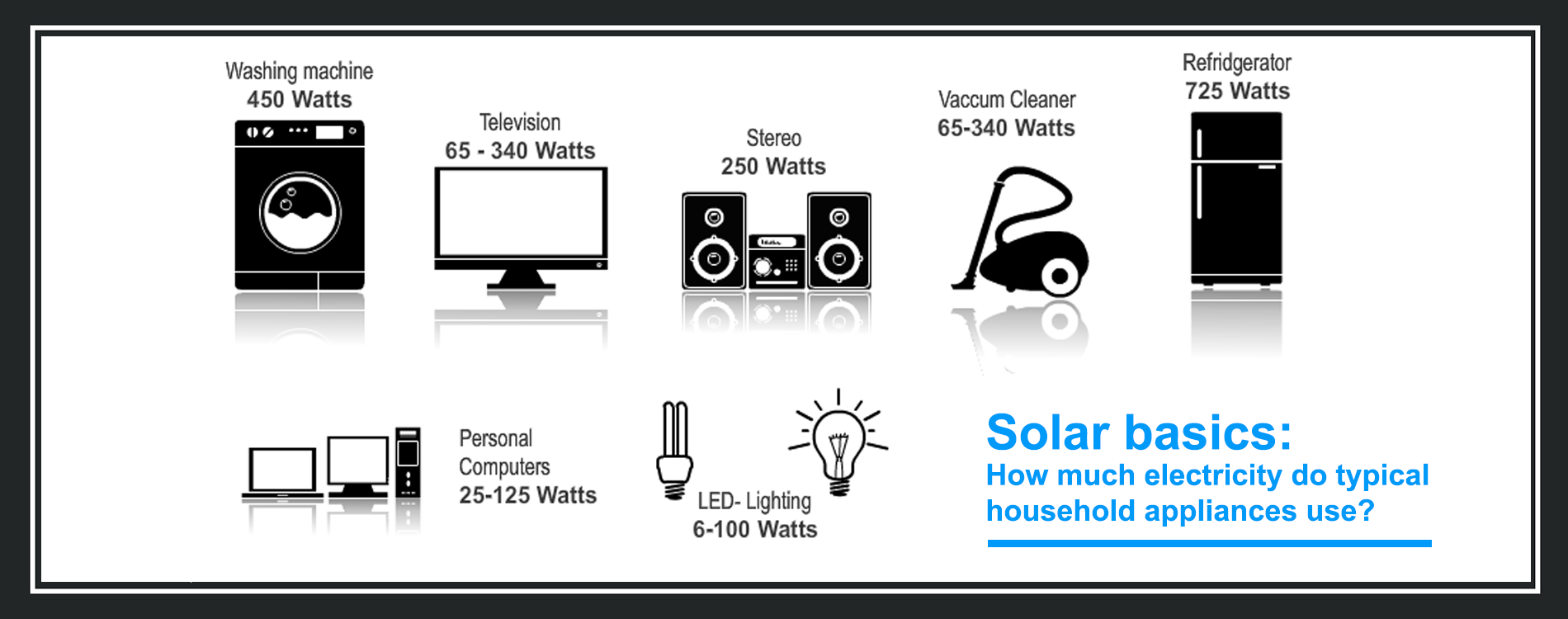
Solar basics: How much electricity do typical household appliances use?
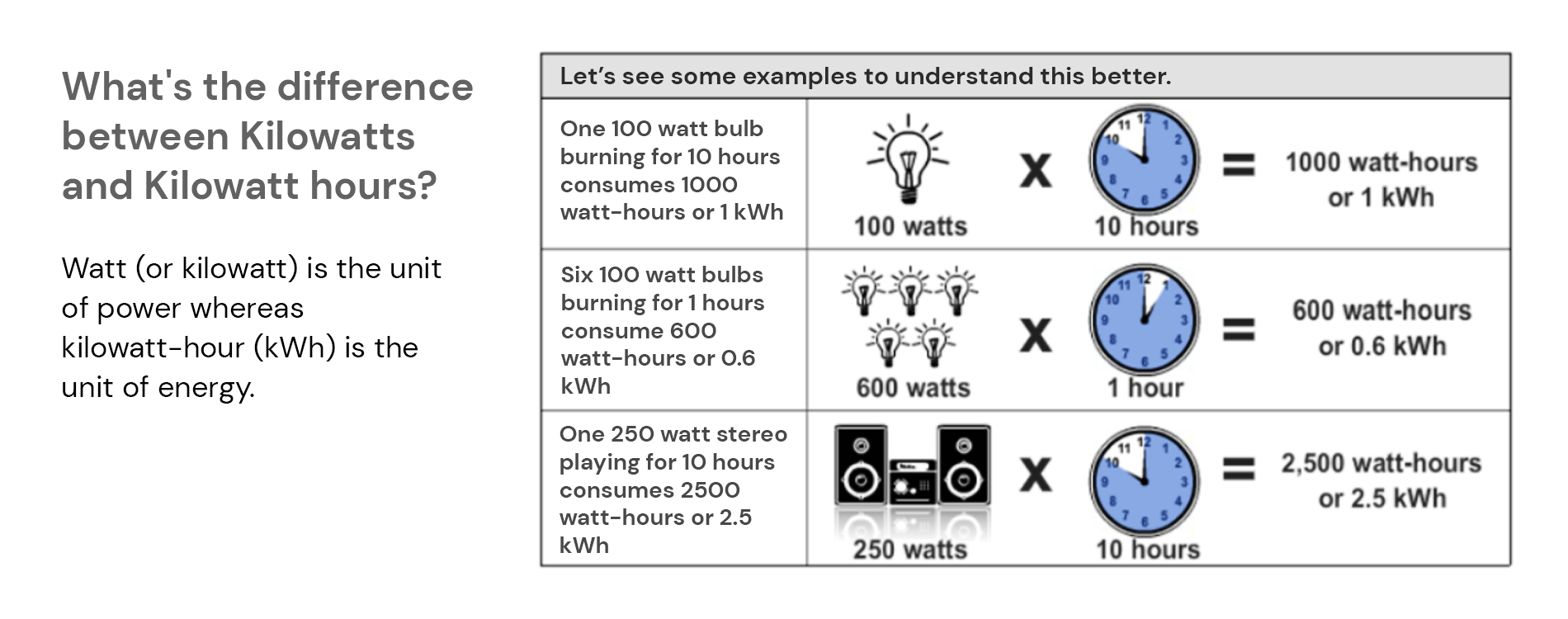
What is the difference between Kilowatts and Kilowatt hours?
Off-grid / grid-tied systems
Grid-tied systems
Grid-tied systems are connected to the electrical grid and allow residents of a building to use solar energy and electricity from the grid. Grid-tied systems do not need to produce 100% of the electricity demand for a home or business. When there is no demand for energy, the solar panels send excess electricity back into the grid for use elsewhere. When a home or business uses electricity, but the solar panels aren't producing enough electricity (for example, at night or on a stormy day), electricity from the grid supplements or replaces electricity from the solar panels. Owners of a grid-tied system complete a net metering agreement with their utility. This agreement allows utility customers to receive credit for the excess energy they generate, typically a kilowatt-hour credit on the next month's bill.
Off-grid system
A solar system independent of the electrical grid is called an off-grid system, and it requires that the solar panels can produce enough electricity to cover 100% of the energy needs of the building. Most homes have higher electricity demand in the evening or at night, so off-grid systems usually incorporate a battery (to store energy produced during the day), a backup energy source (like a generator), or both. Off-grid systems are more complex and less flexible than grid-tied systems. However, they are more cost-effective than the grid-tied option and better for remote locations (cottage, RV, boat).
Savings/Revenue from Solar Energy
Besides generating electricity for your own use, renewable energy also presents an excellent opportunity to create a guaranteed long-term revenue stream.
Net Metering, Long Term RFP and the Feed-In Tariff (FIT) Program are covered in the following screens.
Net Metering – Overview
With net metering, you can generate renewable electricity for your own use while sending excess power to the grid for a credit.
How net metering works
1. Renewable energy systems generate electricity from renewable sources. For example, solar panels convert energy from the sun into electricity.
2. Your home or business uses electricity from the renewable energy system and your utility’s electricity grid when needed.
3. When the renewable energy system produces more electricity than you can use, the excess electricity flows into your utility’s grid.
4. Your utility measures the electricity you use from, and send to, their grid.
5. Your utility bills you for the electricity you consume from their grid, and gives you a credit on your electricity bill in return for the renewable electricity you sent to the grid. If you have credits left over, they can be carried over to future bills for up to 12 months.
To be eligible for net metering, you must be generating renewable electricity primarily for your own use. You will have to enter into a net metering agreement with your utility to send any excess renewable electricity to their grid in exchange for on-bill credits.
You will also need to apply to your utility to connect the renewable energy system to their grid and meet their technical, safety and inspection requirements.
Before investing in a renewable energy system for net metering purposes, contact your utility to confirm that you’re eligible and that the renewable energy system can be connected to their grid.
Net Metering – Long-Term RFP
The Long-Term RFP by IESO seeks resources that can be in service between 2026 and 2028 to address global and regional needs.
This procurement is part of the IESO’s broader Resource Adequacy Framework – an enduring approach to identifying the type of acquisition activity to use to resolve system needs. The framework contemplates a multi-pronged approach to secure resources, generally based on the length of the contract term.
More about IESO’s commitment to engagement with Indigenous communities and municipalities on the LT RFP process can be found on the IESO website.
Net Metering – Feed-In Tariff
The Feed-In Tariff (FIT) Program was developed for the Province of Ontario to encourage and promote greater use of renewable energy sources for electricity generating projects.
The final FIT Application period was held in 2016 and the IESO ceased accepting applications under the FIT program.
Frequently asked questions

So, has Solar energy piqued your interest? The case studies in this course will provide details of how Indigenous communities created successful Solar projects and guaranteed long-term revenue streams.
In the subsequent few screens, you'll find several frequently asked questions about Solar energy.
See if you choose the correct answer. Don't worry if you can't; the correct answer and feedback will appear once you submit your choice.