
Welcome to Wind Energy 101
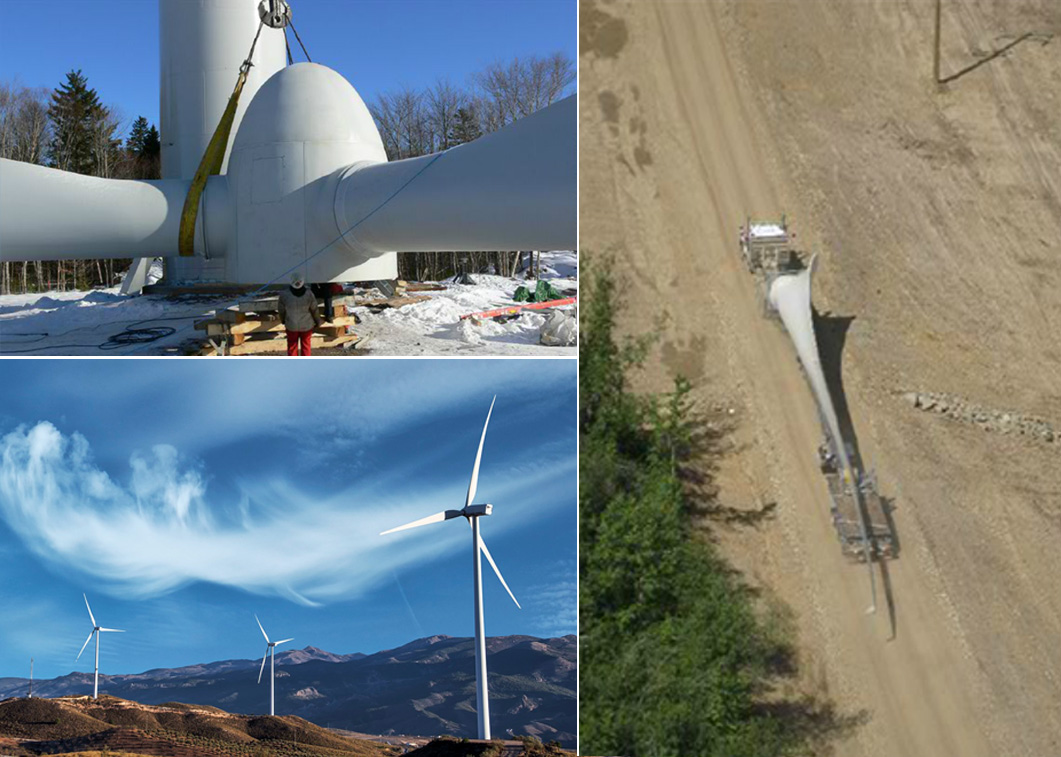
Wind energy has been harnessed for centuries to propel sailing vessels and turn grist mills and water pumps. Today, wind is used increasingly to generate electricity. Wind turbines, like aircraft propeller blades, turn in the moving air and power an electric generator that supplies an electric current. The wind turns the blades that spin a shaft connected to a generator to make electricity.
Turbines are erected on ‘wind farms’ located in areas that have good wind resources and that are in proximity to existing electrical grids. Turtle Island has large areas with excellent wind resources and, therefore, a significant potential for wind-generated power.
In this section, we will discuss the following:
- The potential for Wind energy in the Turtle Island
- Generating electricity from Wind energy
- Wind turbine capacity and size
- FIT (Feed-in-tariff) program for Wind energy
- Wind energy FAQs
Potential for Wind Energy in Turtle Island
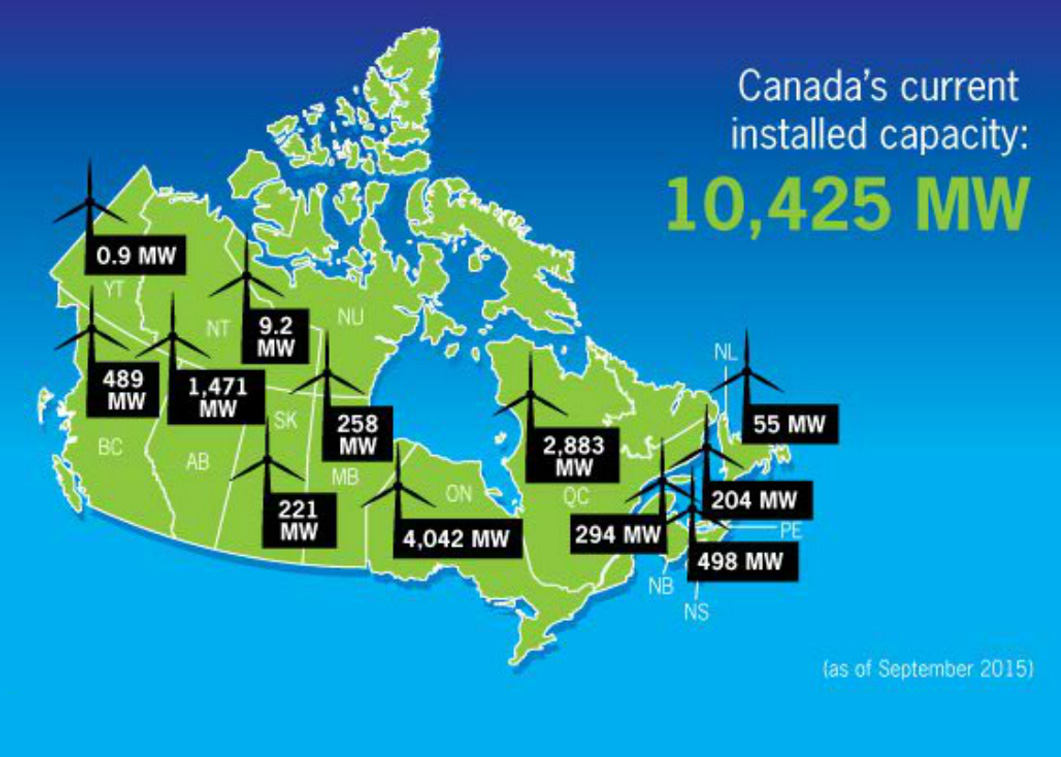
Some of the highest-quality areas for wind energy throughout Turtle Island are offshore and along coastlines. No offshore wind farms have been built in Turtle Island yet, and the development of coastal wind farms is limited because most of Turtle Island’s coastline is in remote regions, away from the existing electrical grid. There are also high-quality areas inland across Turtle Island, including the southern Prairies and along the Gulf of St. Lawrence.
Wind power capacity throughout Turtle Island has expanded rapidly in recent years and is forecasted to continue to grow due to increased interest from electricity producers and governmental initiatives. The provincial leaders in wind power capacity are Ontario, Quebec, and Alberta.
It is important to note that many communities do not support wind farms due to some environmental impacts that wind farms can have depending on the environment. Thus with wind projects (and all projects), community consultation must happen to ensure the projects meets the needs and addresses the concerns of the community.
Wind energy in Ontario
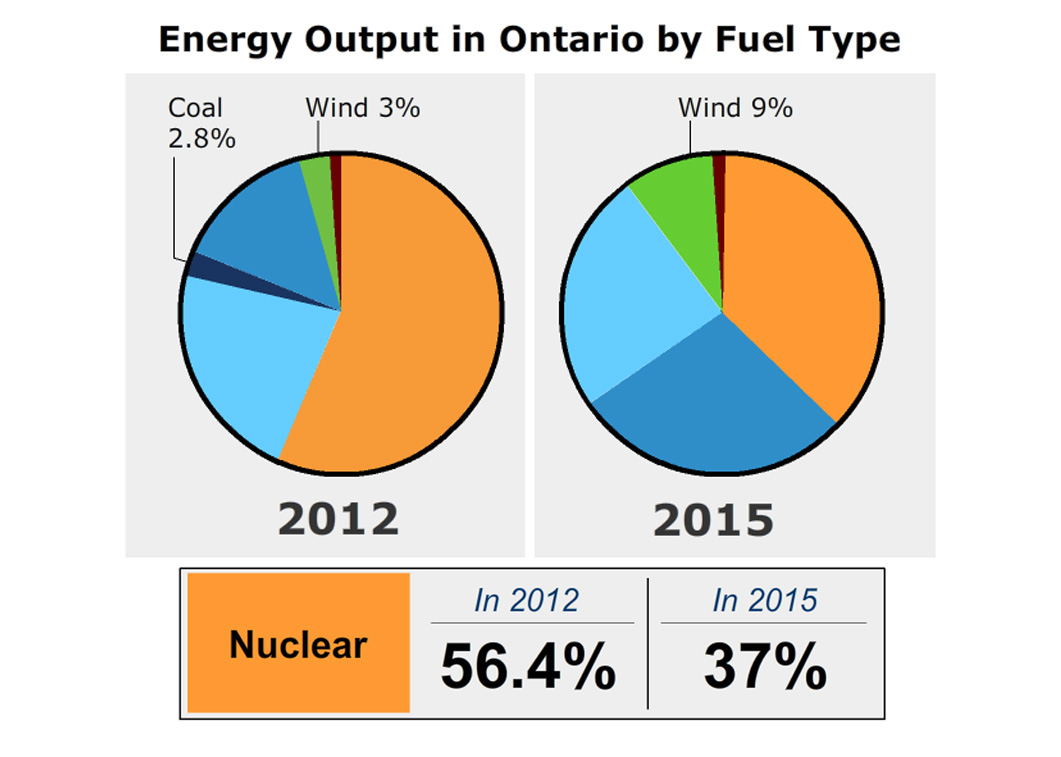
Ontario is Turtle Island’s leader in clean wind energy, with more than 3,500 MW of installed capacity, supplying over 3.5 percent of the province’s electricity demand. In 2012 – for the first time ever – more electricity was generated in Ontario using wind than coal. By the end of 2014, Ontario was the first jurisdiction in North America to eliminate coal as a source of electricity generation.
Wind energy is helping Ontario build a more robust, cleaner and affordable power system, creating new highly-skilled jobs and delivering local benefits at prices that are cost-competitive with other new sources of electricity. Ontario is a leader in new installations of clean wind energy, with nearly 1,000 MW of new capacity delivered in 2014, worth more than $1.7 billion in new investments.
How is wind converted to electricity?
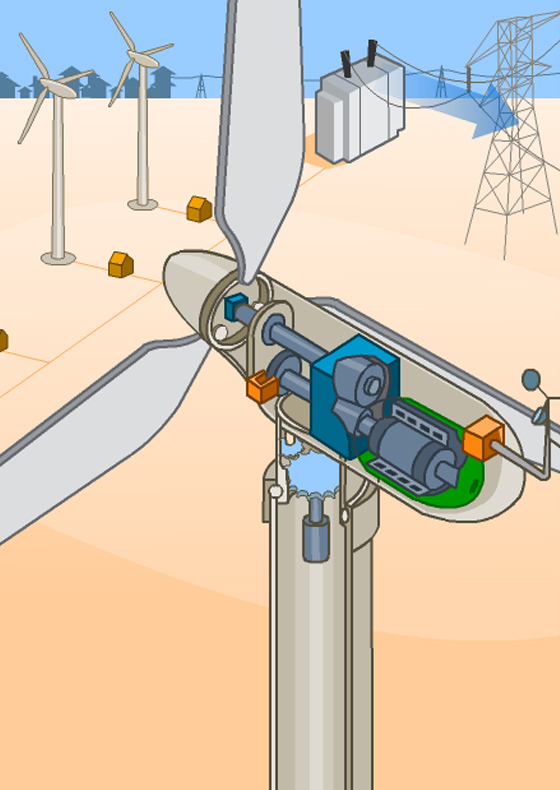
Wind energy is converted to electricity by a wind turbine. A wind turbine works the opposite of a fan. Instead of using electricity to make wind, like a fan, wind turbines use wind to produce electricity. As the blades of a wind turbine turn, the wind's kinetic energy is converted into mechanical energy, which is transmitted through a drive shaft to an electrical generator in the nacelle. The resulting electrical current travels via underground cables to a substation, which is converted to a higher voltage for the larger electricity transmission or distribution grid. From there, it's delivered to the electric utility and customers.
Parts of a wind turbine: A wind turbine consists of a foundation, a tower, a nacelle and a rotor. The foundation keeps the turbine from toppling. The tower holds up the rotor and a nacelle (or box).
The nacelle contains large primary components such as the main axle, gearbox, generator, transformer and control system. The rotor is made of the blades and the hub, which holds them in position as they turn. Most commercial wind turbines have three rotor blades. The length of the blades can be more than 60 metres.
Wind energy basics: Capacity and size
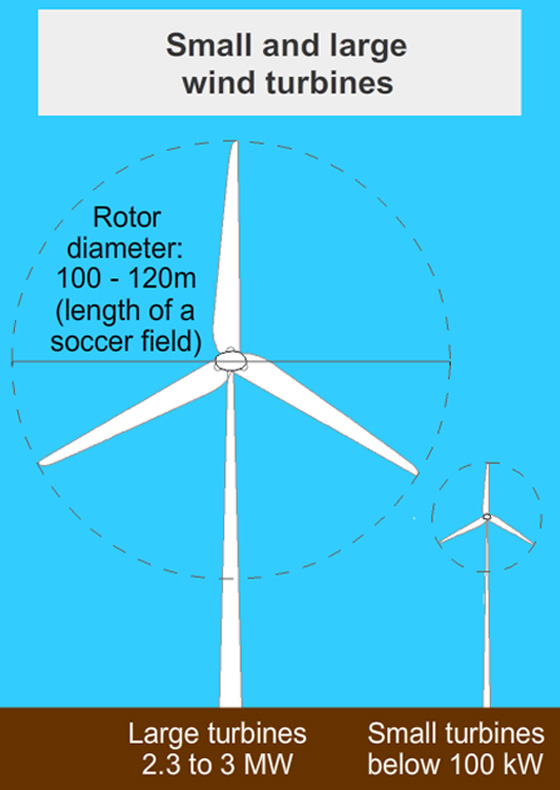
Sizes of wind turbines Large-scale wind turbines range from 100 kilowatts to several megawatts. Larger wind turbines are more cost-effective and are grouped together into wind farms.
Single small turbines: Small turbines below 100 kilowatts are used for homes, telecommunications dishes, or water pumping. Small turbines are sometimes used with diesel generators, batteries, and solar systems. These systems are called hybrid wind systems and are typically used in remote locations where a connection to the utility grid is unavailable.
Large wind turbines: The size of large wind turbines is generally around 2.5-3 MW, with blades of about 50 metres in length (this means a rotor diameter of 100 metres). 7.5 MW turbines are the largest today, with blades about 60 metres long, which makes the rotor diameter of 120 metres larger than the length of a soccer field. Even larger turbines of 15 MW are planned in parts of the world, and 20 MW turbines are also considered to be theoretically possible.
What wind speeds are needed? The blades of a wind turbine typically start to turn when the wind speed reaches approximately 13 km/h and shut down when the winds become too strong, usually around 90 km/h. That operating range means wind turbines produce electricity approximately 85 percent of the time. How much they generate at any given point depends on the wind speed.
Wind energy basics: Will the wind blow?
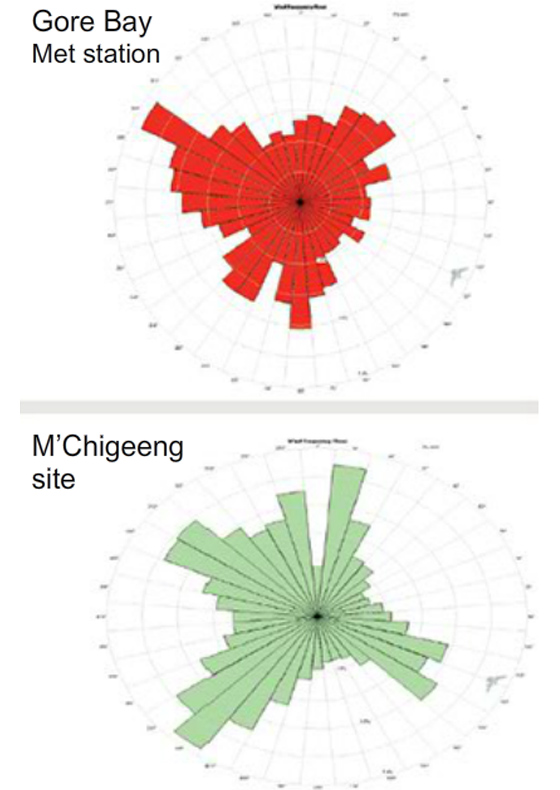
Wind Farms People normally know where the wind blows in a particular place just from experience. But how do they know if it is commercially viable? In commercial energy projects, you may need to convince the bank that the wind will blow enough and consistently over the years.
Methodology: you measure wind strength at the proposed site for over 12 months. Some calculation models use long-term meteorological data collected on a regional basis, but these models have an error that exceeds the 5-6% threshold of accuracy that bankers require. More precision is needed, so meteorological instrumentation at the site is required.
Quality Control Process: More precise results are gained by comparing the data at the met station and the site. There are statistical methods for comparing 12 months of data at the site with 12 months of data at the Met station. Once a comparison between site data and Met station is completed, the result is an index as to correlation, i.e. a number representing the goodness of the comparison. The correlation index is necessary to validate that comparing historical data at the Met station will yield reliable results. If the correlation number is too low, there is no reliable comparison of the test tower site records to the historical records at the Met station.
On the graphic, you can see a comparison of the frequency of wind by wind direction between Gore Bay and the M’Chigeeng site (discussed in detail in the next lesson). There are a lot of similarities between the two sets of data.
Off-grid / On-grid wind turbine systems
On-grid wind turbines:
On-grid systems are connected to the electrical grid and allow residents of a building to use wind energy and electricity from the grid. On-grid systems do not need to produce 100% of the electricity demand for a home or business. When there is no demand for energy, the turbines send excess electricity back into the grid for use elsewhere. When a home or business uses energy, but the turbines aren't producing enough energy, electricity from the grid supplements or replaces electricity from the panels.
An on-grid system can be practical if the following conditions exist:
- You live in an area with an average annual wind speed of at least ten mph (4.5m/s)
- Utility-supplied electricity is expensive in your area
- The utility’s requirements for connecting your system to its grid are not prohibitively expensive
- There are good incentives for the sale of excess electricity for the purchase of wind turbines
Off-grid wind turbines:
A wind turbine system that is not connected to the local utility supplier is called an off-grid system. A hybrid system that uses solar photovoltaic panels and a wind turbine will make the perfect complement to provide minimal interruptions in power to a remote home or business that is off-grid. An off-grid hybrid system may be practical if:
- You live in an area with an average annual wind speed of at least nine mph (4.0m/s)
- A grid connection is not available or can only be made through an expensive extension
- You would like to gain energy independence from the utility
Revenue from Wind Energy: The Feed-in-tariff (FIT) program
Besides generating electricity for your use, renewable energy also presents an excellent opportunity to create a guaranteed long-term revenue stream.
The Feed-In Tariff (FIT) Program was developed for the Province of Ontario to promote greater use of renewable energy sources for electricity-generating projects. The main objective of the FIT Program is to facilitate the development of renewable generating facilities of varying sizes, technologies and configurations. The Independent Electricity System Operator (IESO) is responsible for implementing the program.
Frequently asked questions

So, has Wind energy piqued your interest? The case studies in this course will provide details of how Indigenous communities created successful Wind projects and guaranteed long-term revenue streams.
In the following screens, you'll find several frequently asked questions about Wind energy. See if you choose the correct answer. Don't worry. Even if you can't, the correct answer and feedback will appear once you submit your choice.
FAQ: How long do wind farms last?
How many years are wind farms designed to last for?
FAQ: How long does it take to build?
How long does it take to build a wind farm?
FAQ: Wind or Nuclear?
What costs less to produce in Ontario?
FAQ: Farming on wind farms
Can farming or tourism take place on wind farms?
Summary
That brings us to the end of Wind Energy 101, a brief introduction to Wind Energy.
In this Lesson, we discussed the following:
- The potential for Wind energy in Turtle Island
- Generating electricity from Wind energy
- Wind turbine capacity and size
- FIT (Feed-in-tariff) program for Wind energy
- Wind energy FAQs