Case Study: Solar MicroFIT
Scan to join — no app, no login. You present the slides; questions pop as live polls.
Join at
…
Room code
····
0 joined
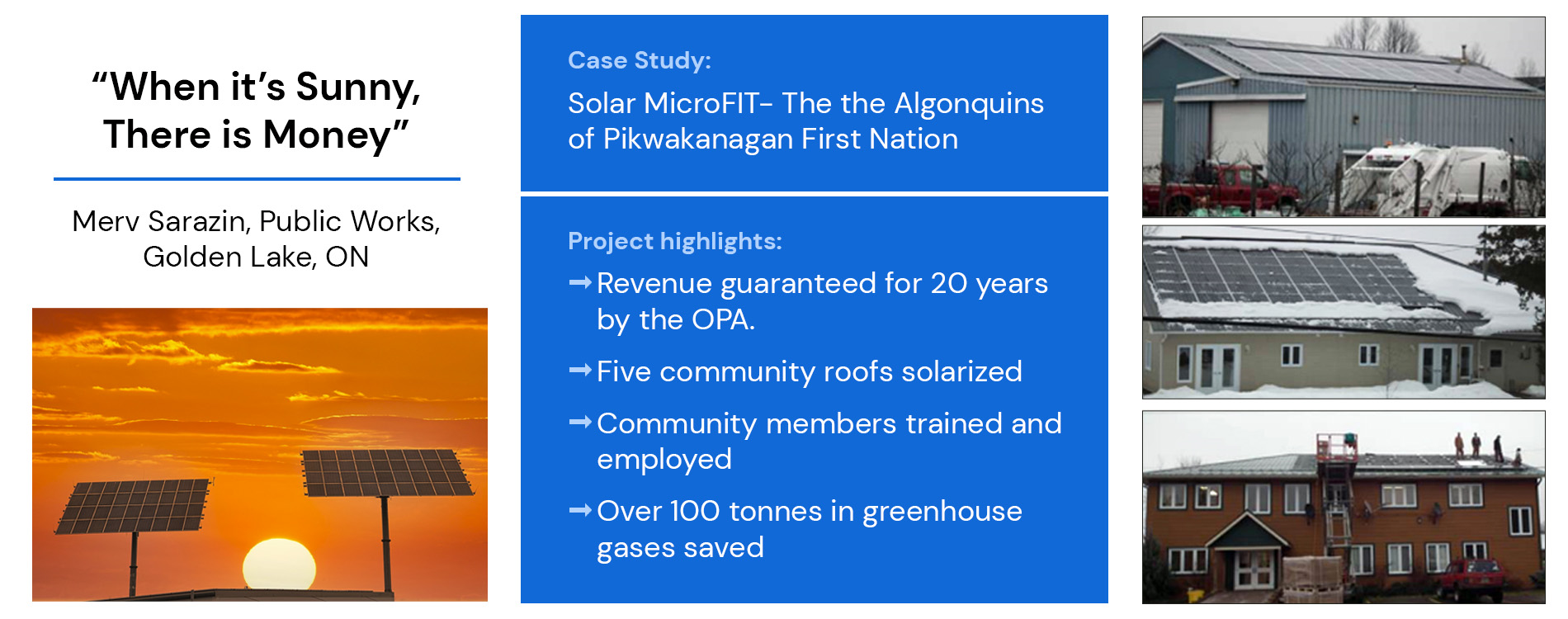
When it's Sunny, There is Money
Solar case study: Overview
When the Ontario Power Authority (OPA) rolled out the MicroFIT program in 2010, it caught the attention of the Chief and Council of the Algonquins of Pikwakanagan First Nation (AoPFN).
The AoPFN who are located in the Ottawa Valley on Golden Lake, realized that if they installed Solar PV systems on their rooftops, they would create local renewable energy jobs, as well as long-term cash-flow for the community at an above market rate. Their returns would be guaranteed for 20 years with the OPA, which stipulates that any renewable energy would be purchased by their local electricity utility company, Hydro One.
Today, the AoPFN are reaping the benefits of their decision. They have five community roofs solarized (generating 55 kW). Community members are trained and employed to maintain the Solar panels over the long term. Over 100 tonnes of greenhouse gases have been saved.
Lisa Meness Kohoko: Interview
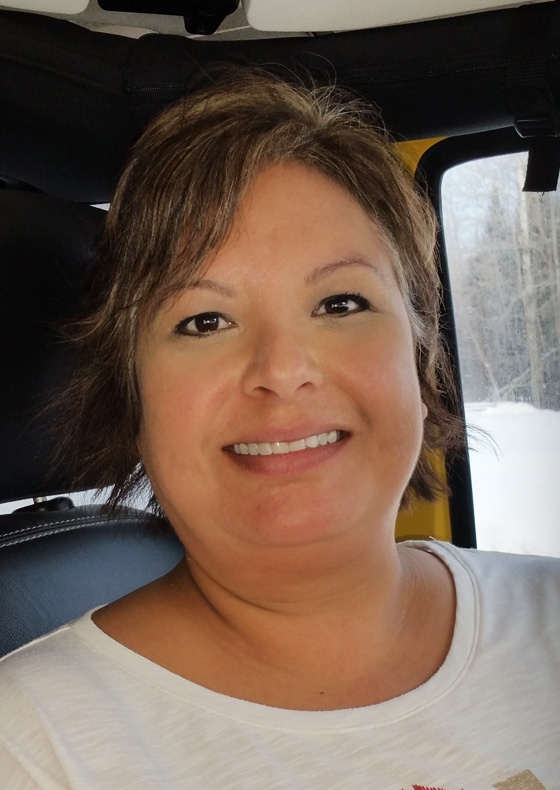
Lisa Meness Kohoko was the honoured recipient of the Queen's Golden Jubilee medal, a commemoration of Queen Elizabeth II's 50th anniversary on the throne. Lisa was awarded the medal for her significant contributions to Turtle Island, the community and to her fellow citizens. Lisa was the second elected female Chief in the history of this community. She sat on Council for eight years prior.
Lisa has been employed as the Funding Research Coordinator since 2003. She played a key role in the development of the MicroFIT Solar program at Pikwakanagan.
In the next few screens, she talks about her experiences with the program.
How did you get interested in Solar?

My name is Lisa Meness. I am employed with the Algonquins of Pikwakanagan First Nation.
The Algonquins of Pikwakanagan began their experience with renewables and Solar energy in an unorthodox way.
My curiosity was peaked, when I received a brochure in my personal mail from a company that was advertising for solar panels and roof mounted installations. I contacted the company and learnt basic information from them, and how to complete a basic assessment of roof suitability.
How did you educate yourself about Solar?

I did not know anything about Solar panels, roof-mounted or ground-mounted, and had absolutely no knowledge of Ontario Power Authority’s FIT applications, including MicroFITs.
At the same time that I was completing initial research, I received a notice in my mail from Indian and Northern Affairs announcing that eco-energy applications were being accepted.
I completed the very technical application with little to no knowledge of what I was doing, and of course, the application was rejected. Sadly, I put the file away. Approximately one year later, the executive director came to me to discuss the possibility of pursuing solar projects and asked that I do the research. It turns out that he had made contact with a developer by the name of JAZZ Solar.
Together, we met with JAZZ Solar and learned about Solar Energy, MicroFITs and how the OPA program worked. I was intrigued with renewable energy and learned as much as I could.
How did you look for opportunities for Solar?

The developer came to our community to investigate any opportunities we may have for MicroFITs.
There were several locations identified.
We made applications for five sites.
Did you choose MicroFITs, small FIT or LargeFIT?
We chose to proceed with MicroFITs because that was the only process open at the time.
Did you do it yourself or go turnkey?

Due to our limited abilities and knowledge, we decided turnkey was the best option for Pikwakanagan.
We chose JAZZ Solar to complete our application and the installations for our projects.
How did you present the project proposal to the Chief and Council?
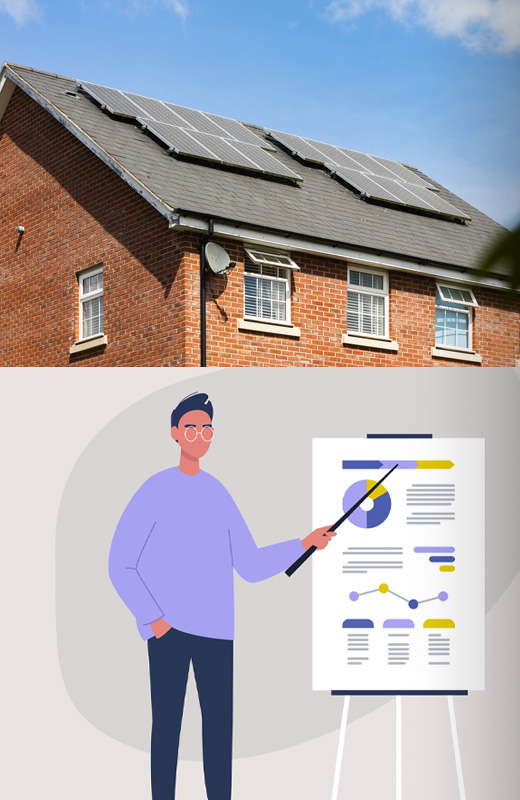
Once the staff was comfortable with their knowledge of Solar and the MicroFIT program, we invited JAZZ to meet with the Chief and Council. We asked that they prepare a visual aid and financial information.
There were many questions and uncertainties about renewable energy. We had more than one meeting with the Council before receiving approval to proceed. At first, the information was technical. There were concerns about the roof structures, the payment process and the installation process. It was all new to everyone.
We listened to their concerns and went back to complete research on their questions and return to the Council. Only when they felt a certain level of comfort did they decide to proceed.
How did you decide to manage the project?

The projects were managed in-house and were a shared responsibility between the Manager of Public Works, the acting Executive Director and the Funding Research co-ordinator.
How did you choose your energy partner?

JAZZ Solar was chosen as the Energy partner since we had established a relationship with them, and they worked with us right from the beginning to understand Solar Energy and the program.
JAZZ agreed to a turnkey operation where they would complete the application and the installations.
How did you make the application to your local electric company?

This was an excellent opportunity for me to learn the process, and I realized that it is very technical. You must know about energy measurements, terminology, transmission lines, the grid, and grid capacity.
I learnt that our local delivery company was Hydro One. You must know the facing of your roof structure and GIS locations.
At the time, the entire application was overwhelming, and it was a comfort that a developer was able to complete all of these applications on our behalf.
How long did it take from Application to Approval?

The applications were approved fairly quickly, and we were ready for installation in the fall.
What permits did you acquire and how?
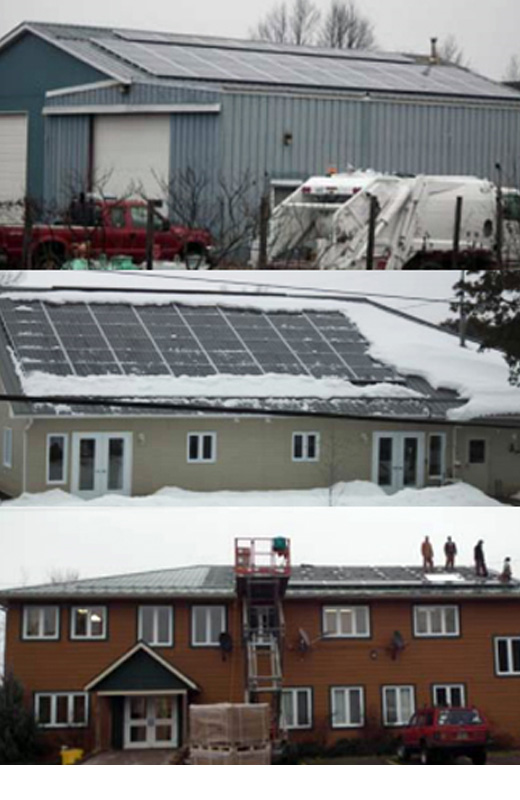
All the sites were located on the First Nation, so the only permits that were needed were from Hydro One for connection purposes.
Did you use community members for the installations? How did you train them?
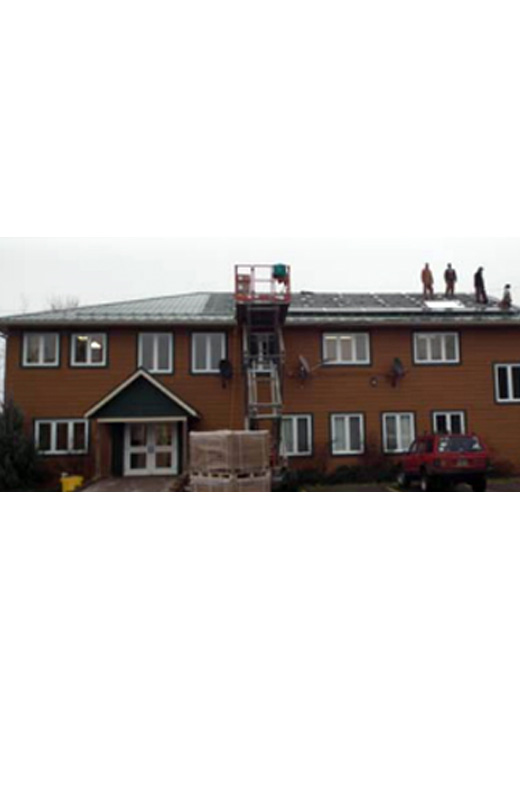
There were community members who were trained and on the job site for the installation. JAZZ hired and trained them.
What equipment did you select and how?

JAZZ also was responsible for selecting the material and equipment needed for the installation, as well as ensuring that the electrical engineer was retained.
They also completed the grid connections.
What were your biggest learnings from this experience?

Throughout the process, I learnt that many people are in the same boat as us when we started with renewable energy projects- not aware of current trends and must be able to learn quickly.
There are great opportunities out there, but we must take our time to complete our research and education to ensure that our Councils are comfortable to proceed with new opportunities.
I also learnt to ask questions, lots of questions and have basic knowledge of energy and how to measure energy.
There are little to no First Nation developers in renewable energy. We must take that into consideration, especially as we are looking for a developer who will work with your community and establish a relationship based on professionalism and trust.
More about the project
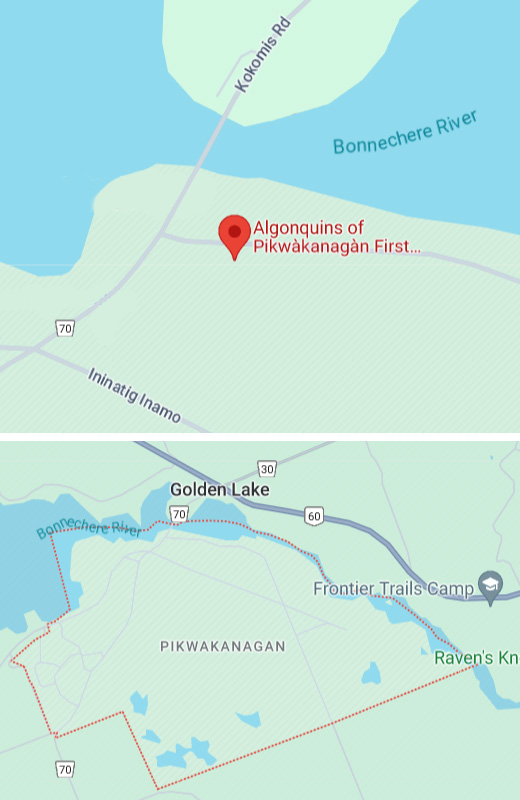
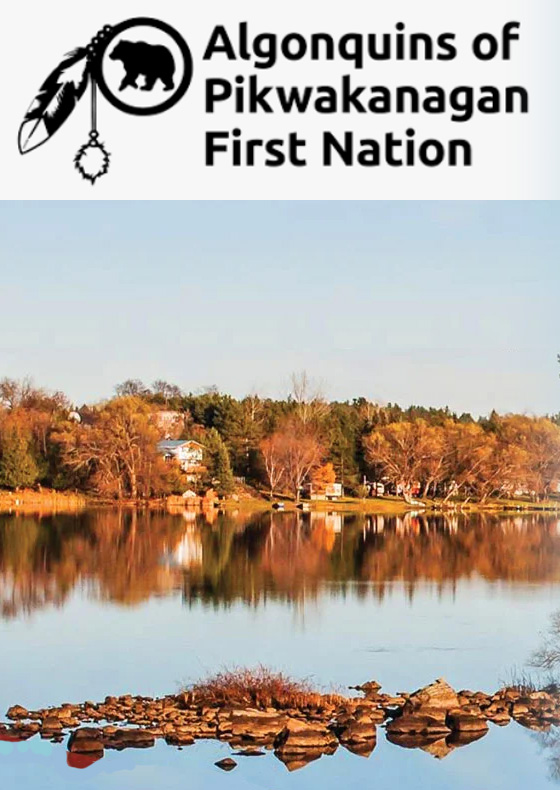
Algonquins of Pikwàkanagàn First Nation is a proud and progressive Algonquin community. Pikwàkanagàn is situated on the shores of the Bonnechere River and Golden Lake in Renfrew County, Ontario.
Read more about the community, its leadership, and programs and services here: https://www.algonquinsofpikwakanagan.com/
More about the project:
http://www.algonquinsofpikwakanagan.com/documents/FridayAugust222014.pdf